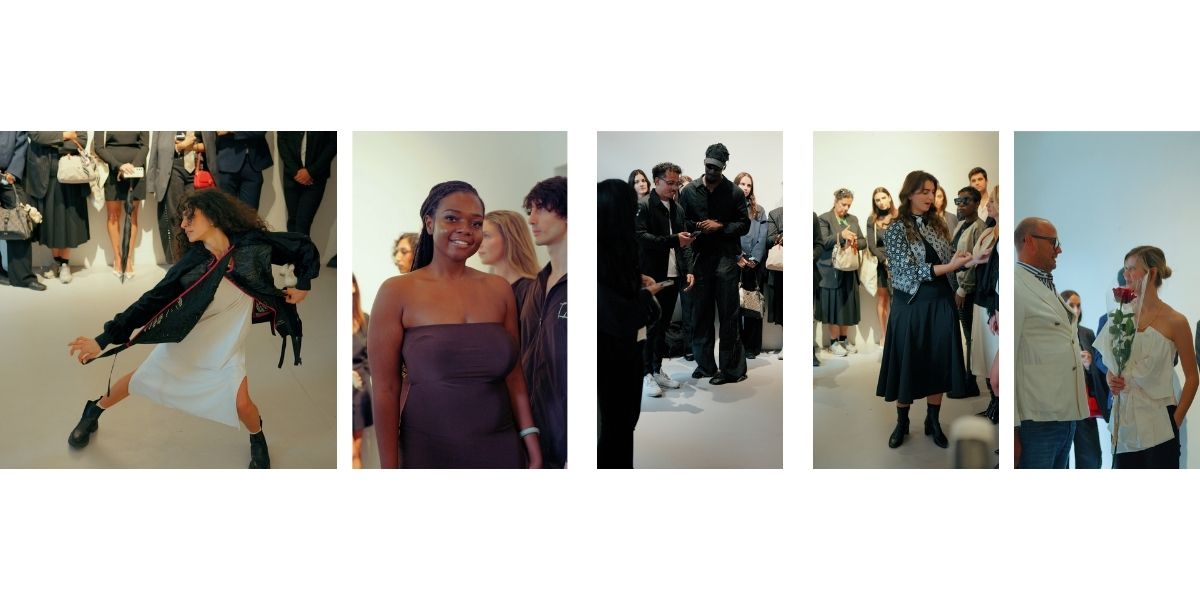
At MICAM Milan, footwear is never only about the finished shoe.
Across the September 2026 edition at Fiera Milan Rho, the conversation around Spring/Summer 2027 extends from craftsmanship and manufacturing heritage to artificial intelligence, consumer behaviour, retail, emerging designers and the changing relationship between brands and buyers. The 102nd edition of MICAM Milan, taking place from 13 to 15 September, positions footwear within a much broader fashion and business ecosystem.
This year’s edition opens with a particularly Italian question: what does it mean to preserve craftsmanship while allowing it to evolve?
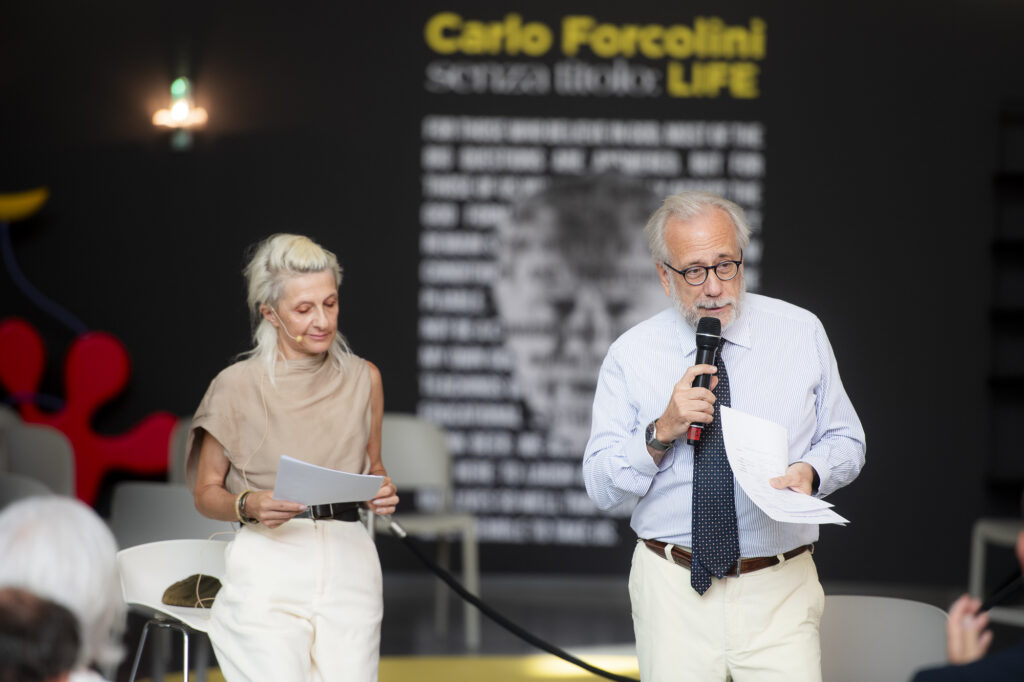
The opening programme places the cultural heritage of Italian manufacturing at the centre of the discussion, presenting Italian footwear not simply as a product category but as a system of knowledge built through skills, territories, businesses and generations. The theme becomes even more significant through the ongoing candidacy of Italian Footwear Art for UNESCO Intangible Cultural Heritage status, an initiative promoted by Assocalzaturifici and supported at institutional level.
What is being protected, importantly, is not simply the shoe. It is the knowledge behind it — the techniques, people, manufacturing districts and traditions that transform expertise into product and, ultimately, into cultural identity.
This idea of heritage, however, does not sit separately from innovation.
From heritage to prediction
One of the most interesting aspects of MICAM SS27 is the increasing importance given to trend intelligence and data.
The Trend Buyer’s Guide, developed with Livetrend, approaches Spring/Summer 2027 through predictive analysis, consumer behaviour, cultural signals and artificial intelligence. Rather than treating trends as purely aesthetic predictions, the research connects them to the practical decisions of buyers and retailers.
For SS27, the direction becomes noticeably more expressive.
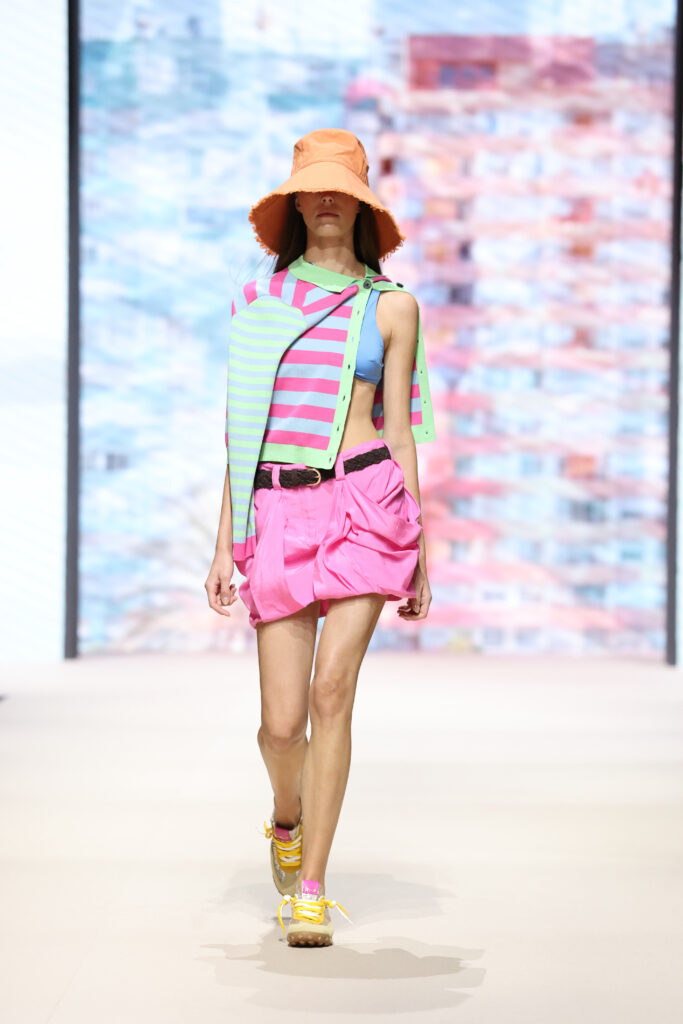
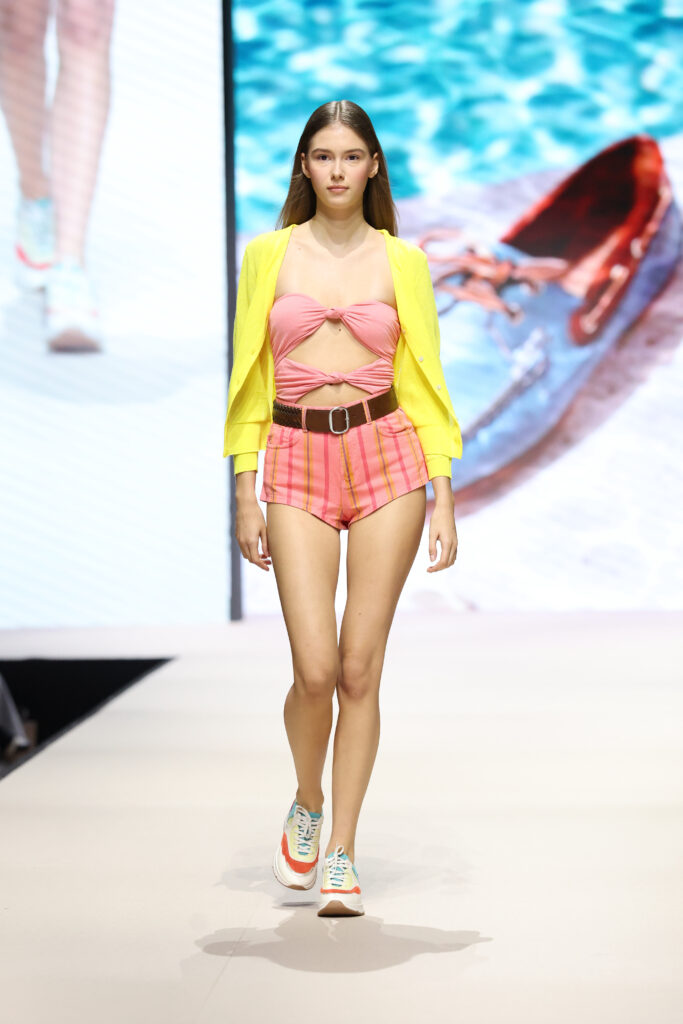
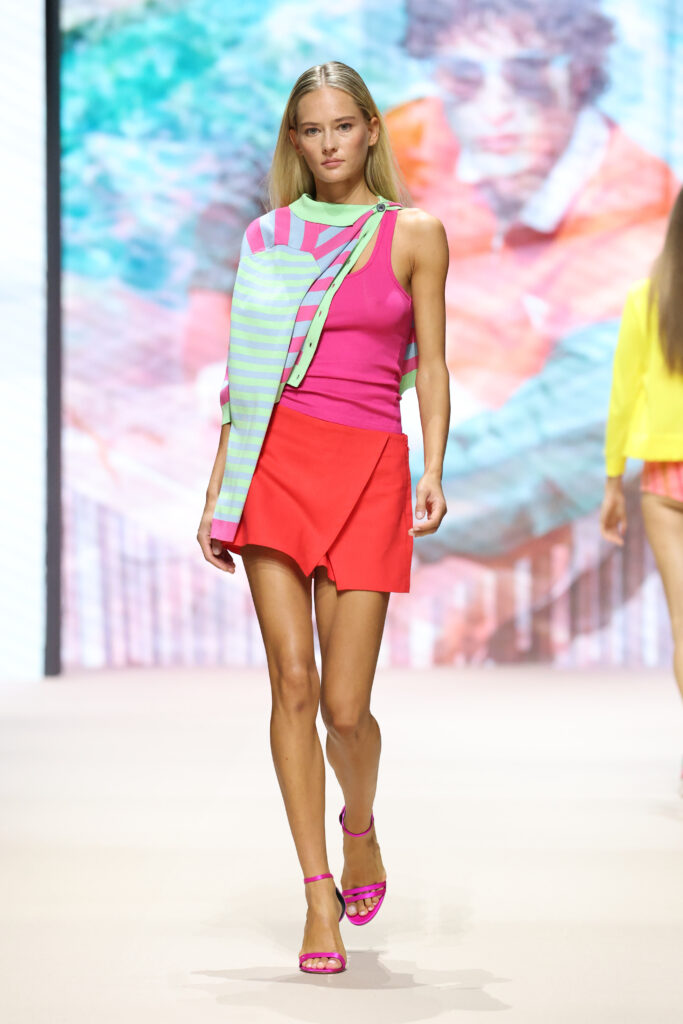
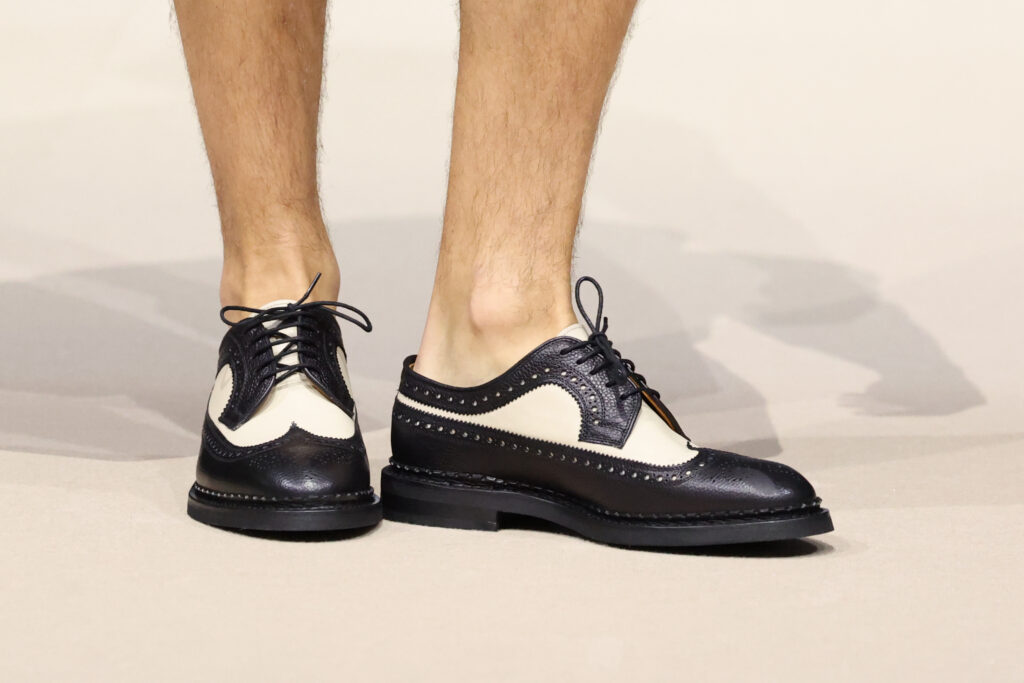
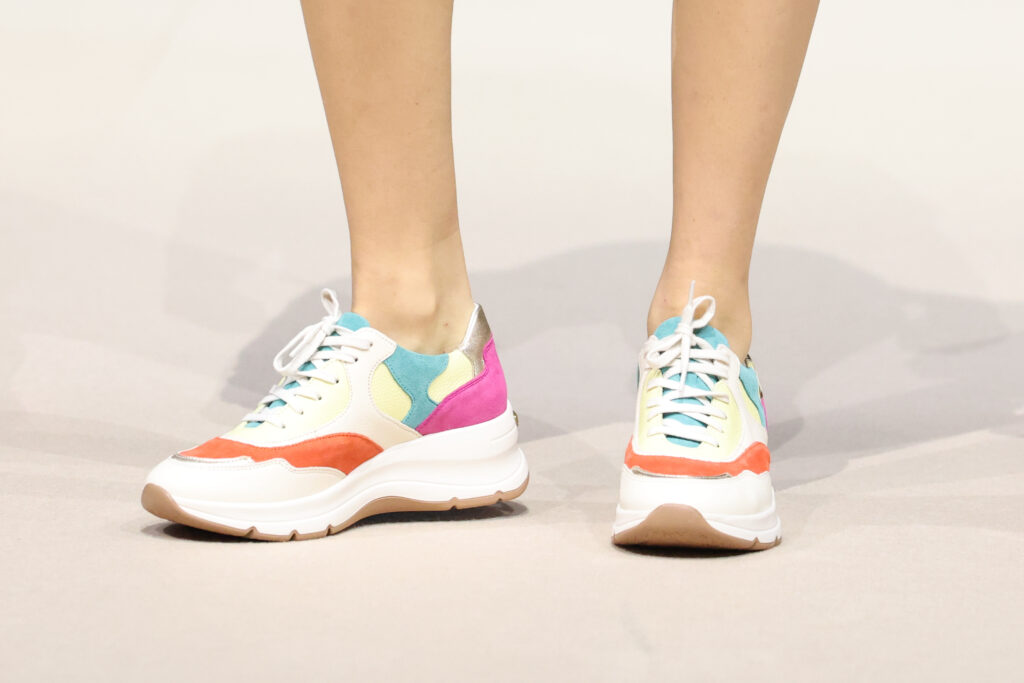
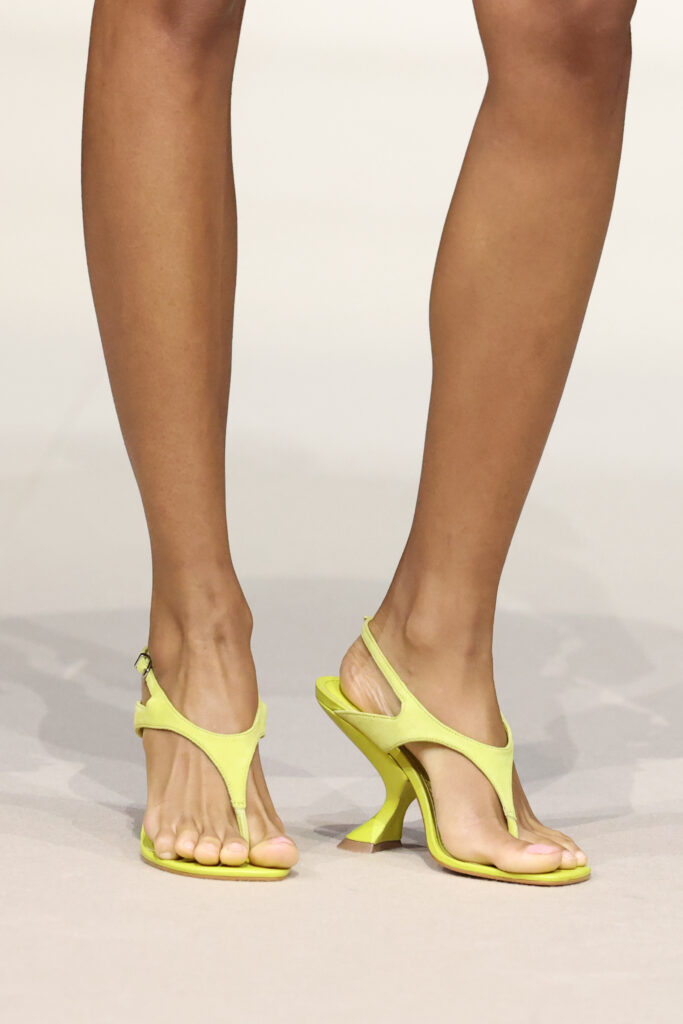
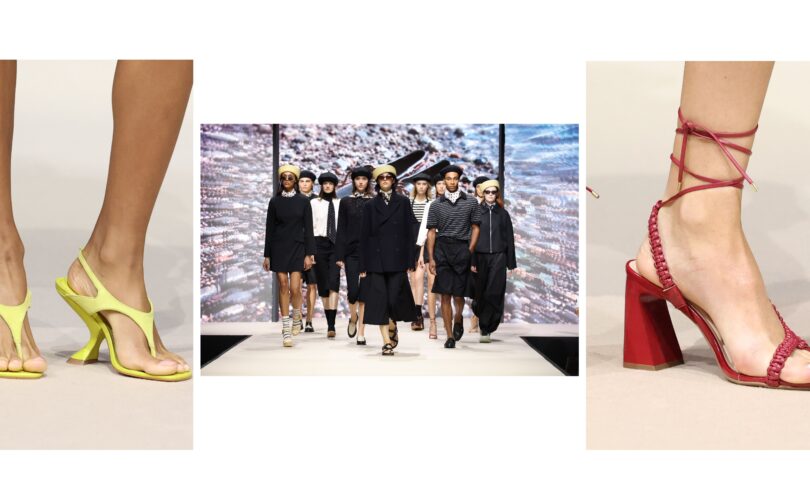
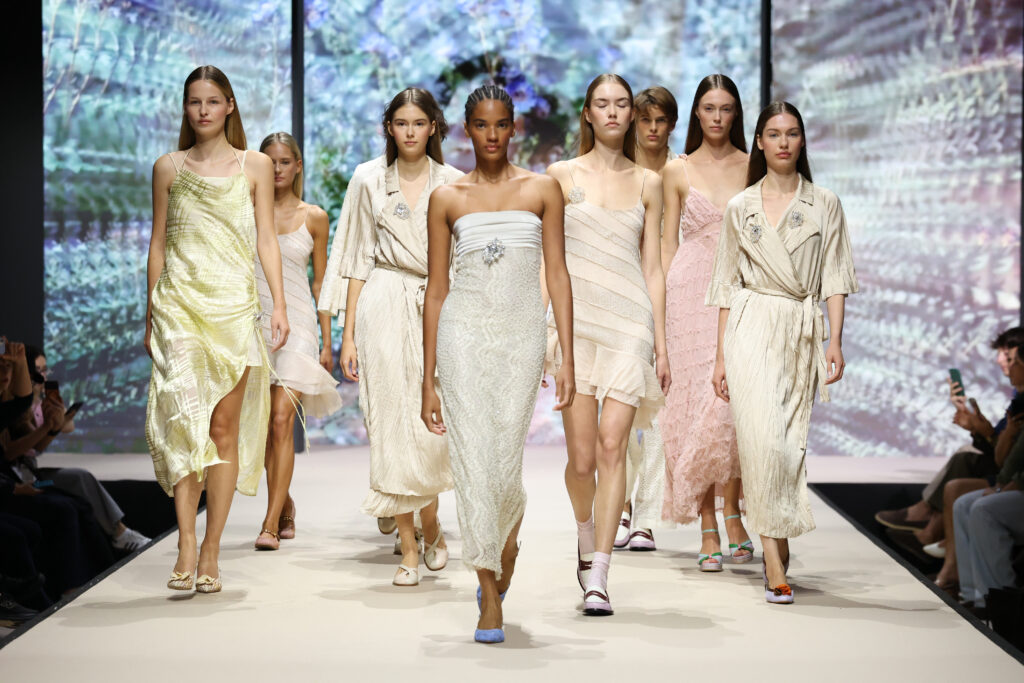
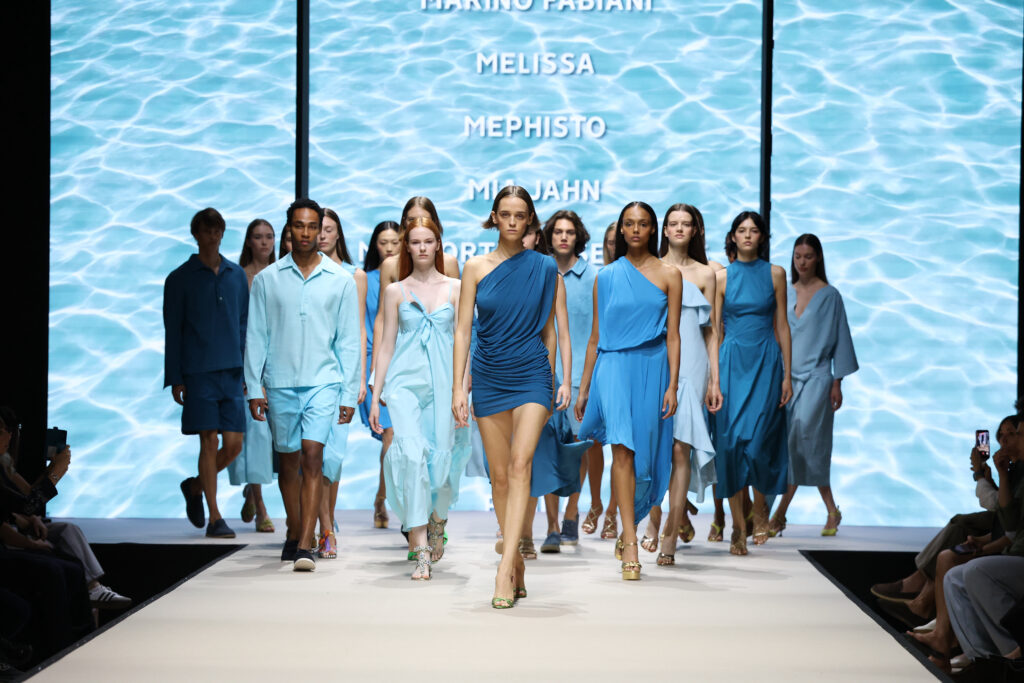
After seasons dominated by pared-back aesthetics, footwear is once again being positioned as an important tool of personal identity. Colour, materiality, decoration and detail become increasingly significant, while experimentation is balanced with functionality. The research identifies four macro-directions — Mare Noir, Urban Beach, Tribal Relics and Summer Residence — offering different interpretations of the season’s emerging lifestyles and aesthetics.
The silhouettes tell a similar story: reinterpreted Mary Janes, deconstructed loafers, urban flip-flops and relaxed interpretations of classic footwear codes point towards a market that is less interested in one dominant aesthetic and more interested in crossing references.
For me, this is where MICAM’s current direction becomes particularly relevant to fashion communication. The shoe is increasingly being asked to communicate something about the person wearing it — attitude, identity and lifestyle — while still answering the commercial demands of comfort and functionality.
The new buyer is already informed
This transformation is also changing the role of the fair itself.
A recent Fashion Link Milan discussion, The Buyer Journey, highlighted how today’s buyer increasingly arrives at a trade fair after researching brands, comparing products and establishing potential contacts. The physical fair therefore becomes one part of a much longer decision-making journey.
That changes the value of physical interaction.
Digital platforms, social media and sales data may influence what a buyer discovers before arriving, but seeing a product physically, assessing its construction and materiality, and speaking directly with entrepreneurs and suppliers remain difficult to replace. The fair is consequently evolving from a simple meeting place into a relationship platform connecting preparation, discovery, meetings and post-fair dialogue.
MICAM’s position within Fashion Link Milan reinforces this evolution. Together with Milan Fashion&Jewels, MIPEL, TheOneMilano and SIMAC Tanning Tech, the fair becomes part of a larger fashion and manufacturing ecosystem rather than an isolated footwear event.
The next generation enters the conversation
Perhaps one of the most compelling elements of this edition is Emerging Designers, MICAM’s scouting platform for new international footwear talent.
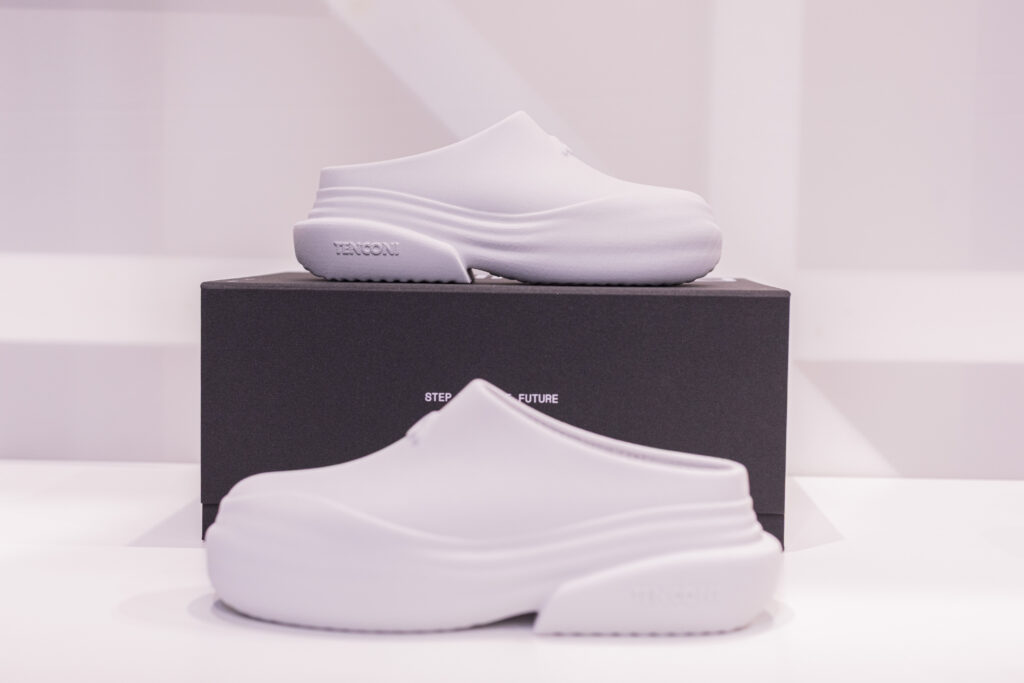
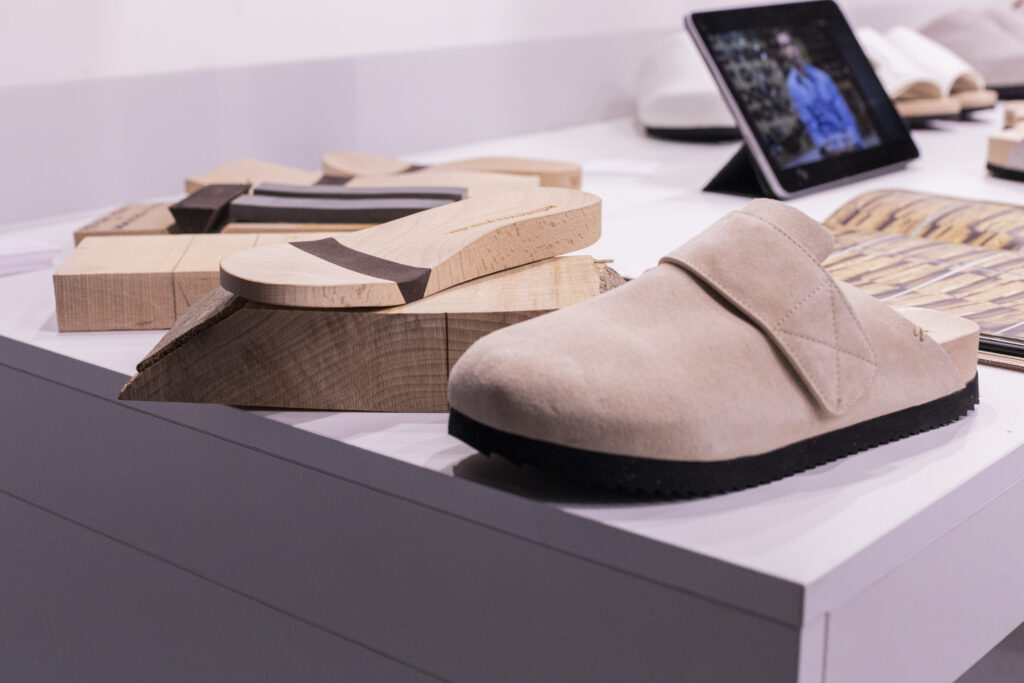
Launched in 2018, the project returns in September with twelve selected designers: Éeclat, En Talons, Joel Wijangco, Maliko, Moon2gether, Nalebe, Paidal, Raphia, Stefano Mugnai, Te Dreamers Club, Tenconi and Wud.
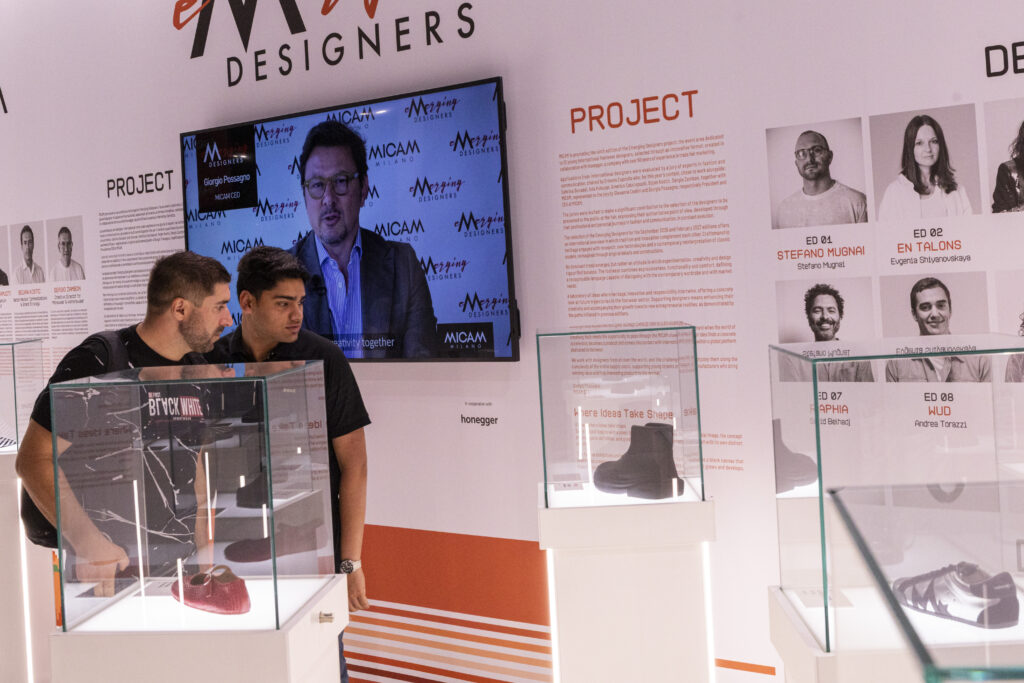
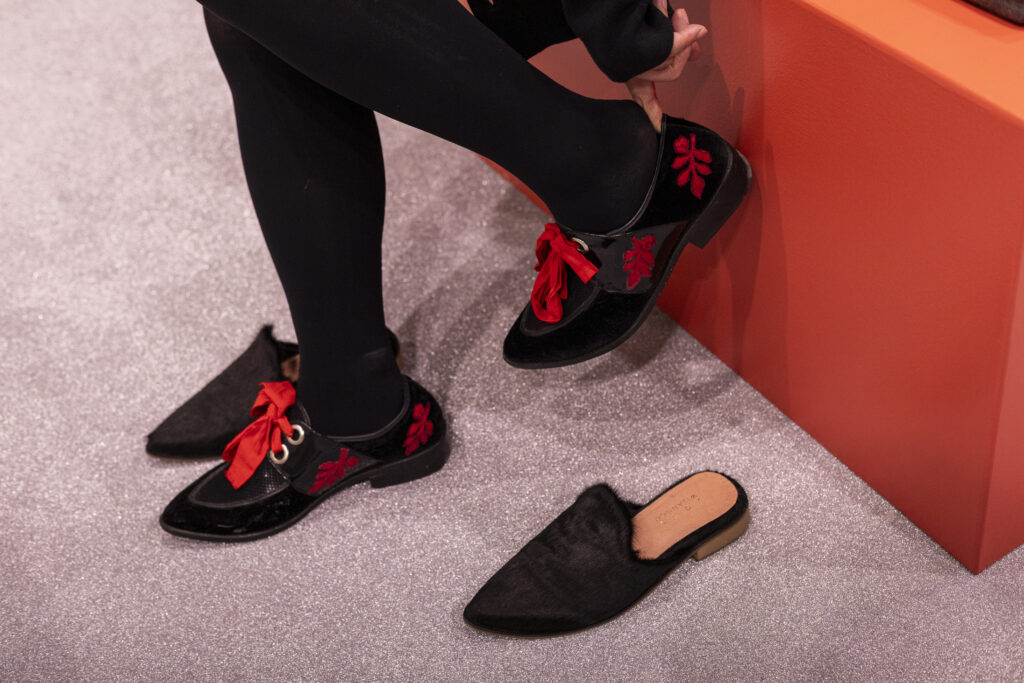
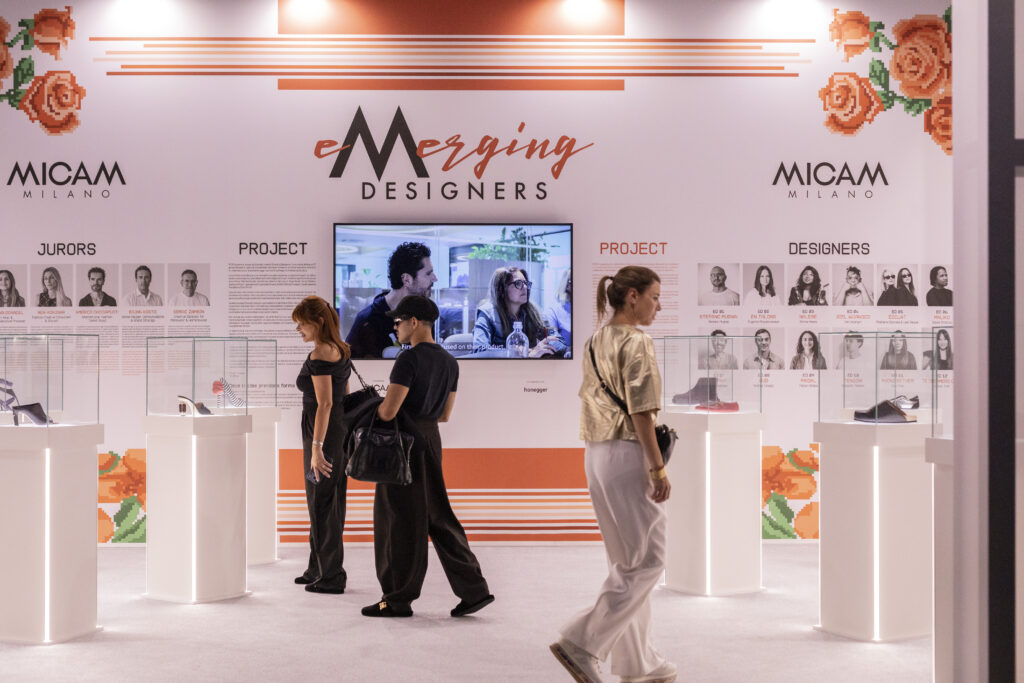
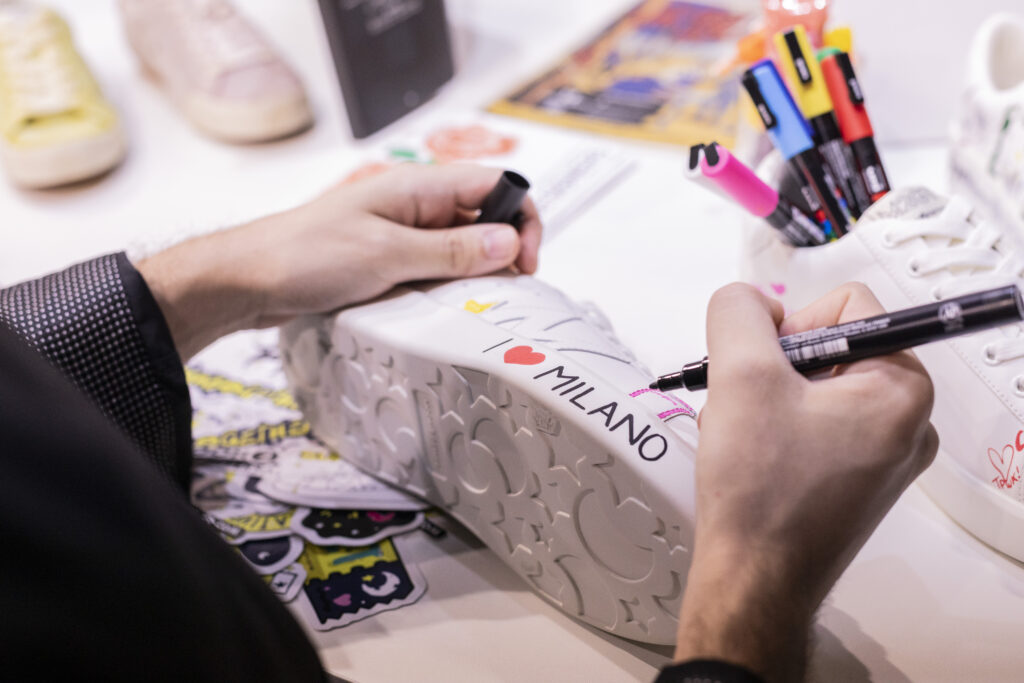
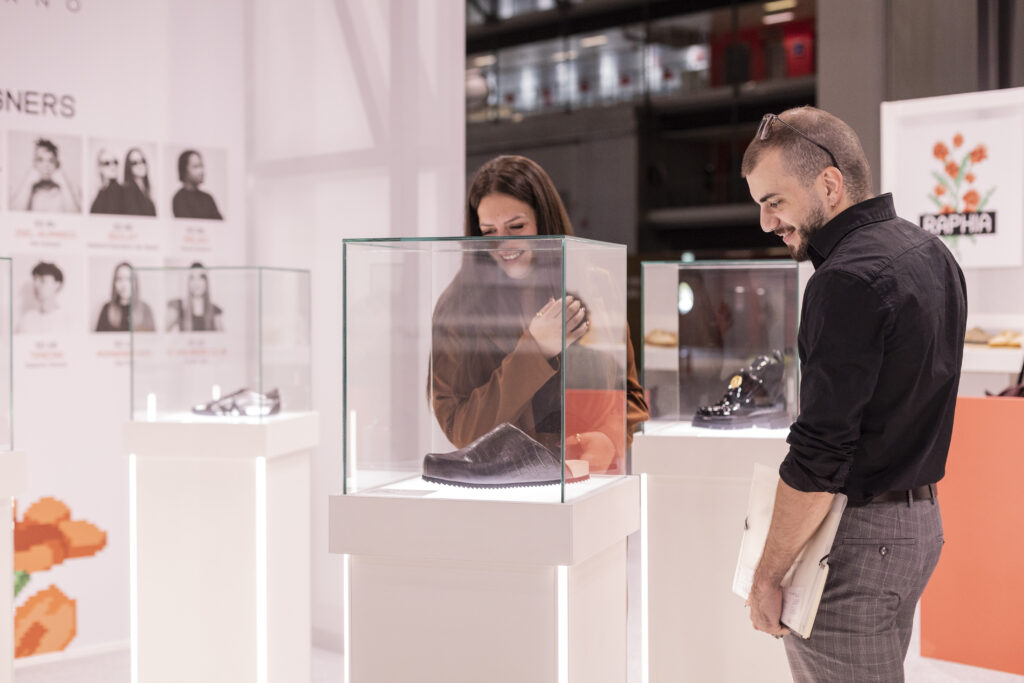
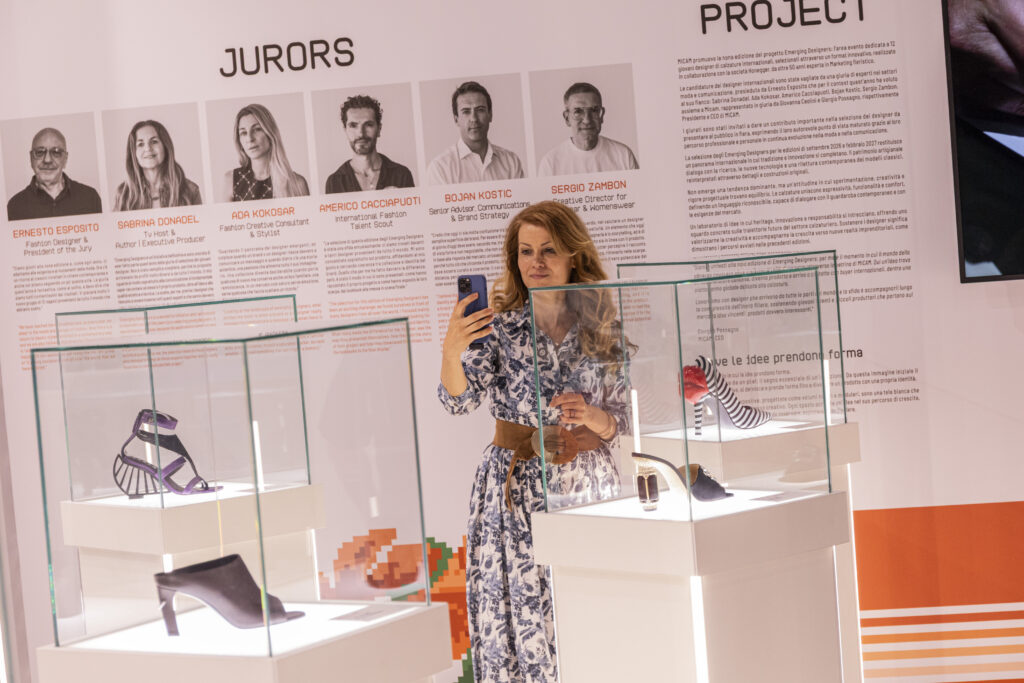
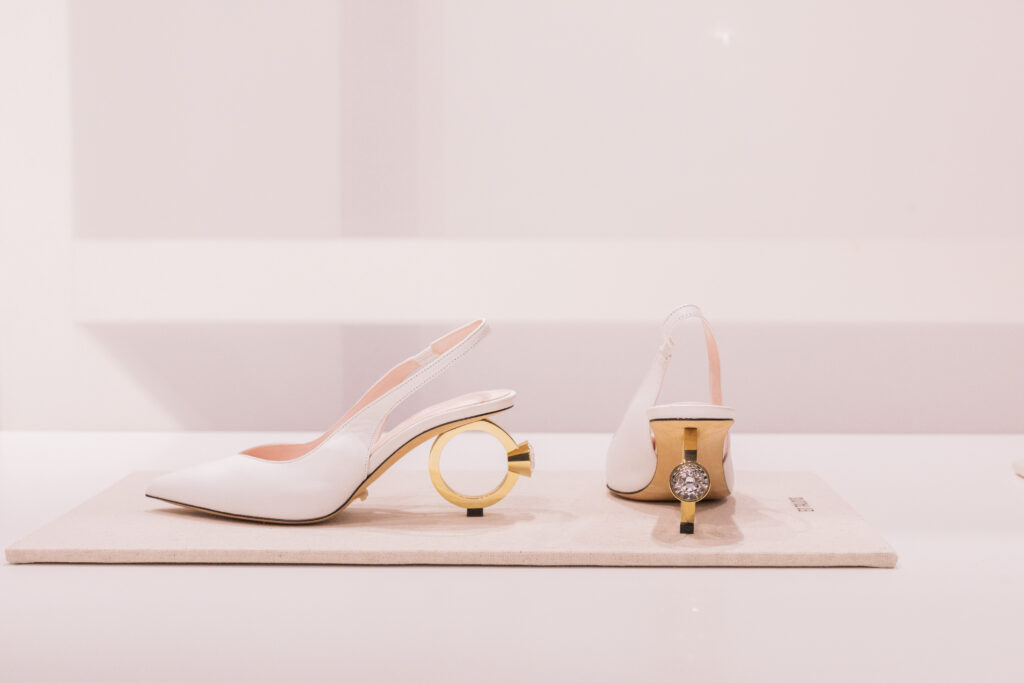
Their presence says something important about the future of the footwear industry.
The selection does not follow one single aesthetic direction. Instead, it brings together experimentation, craftsmanship, material research, construction innovation and contemporary reinterpretations of footwear codes. Design, comfort and brand identity increasingly coexist rather than compete with one another.
This is also where MICAM moves beyond its traditional role as a commercial exhibition. Through Emerging Designers and MICAM Next, it is creating a bridge between creative research, entrepreneurship and the international market.
Beyond the shoe
Walking through MICAM Milan in the context of SS27, the bigger story is therefore not simply which shoe will be fashionable next summer.
It is about how the footwear industry is learning to read its future.
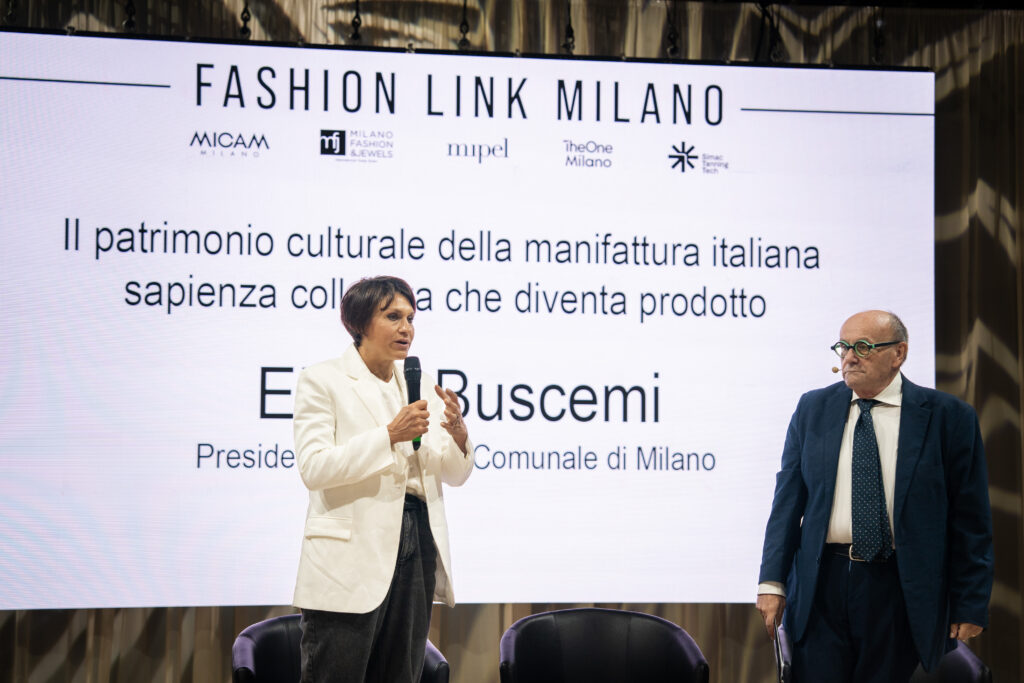
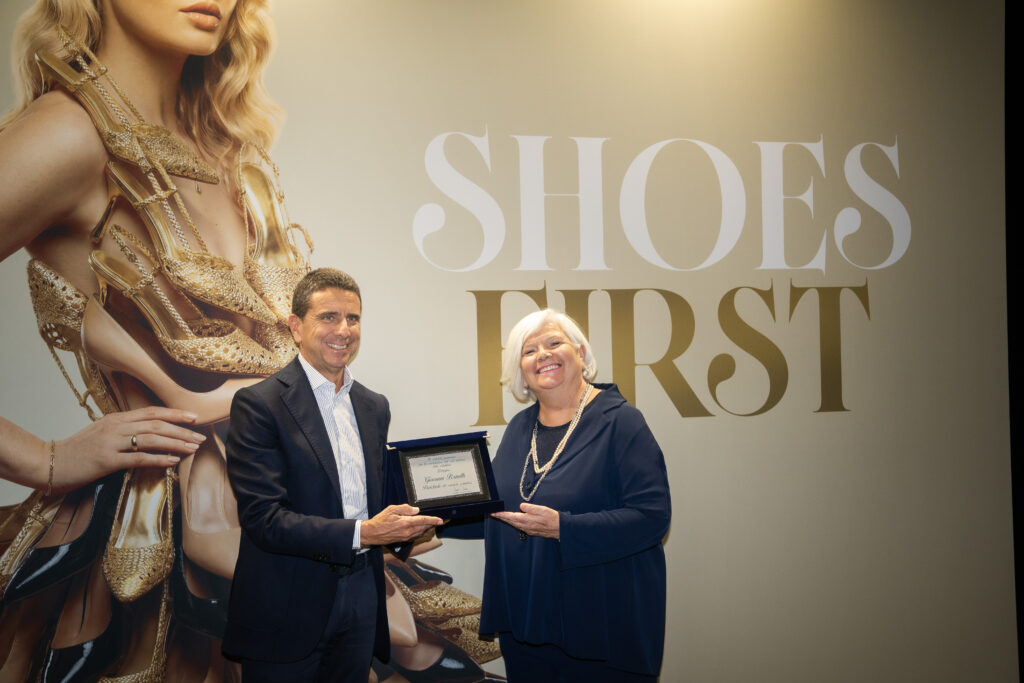
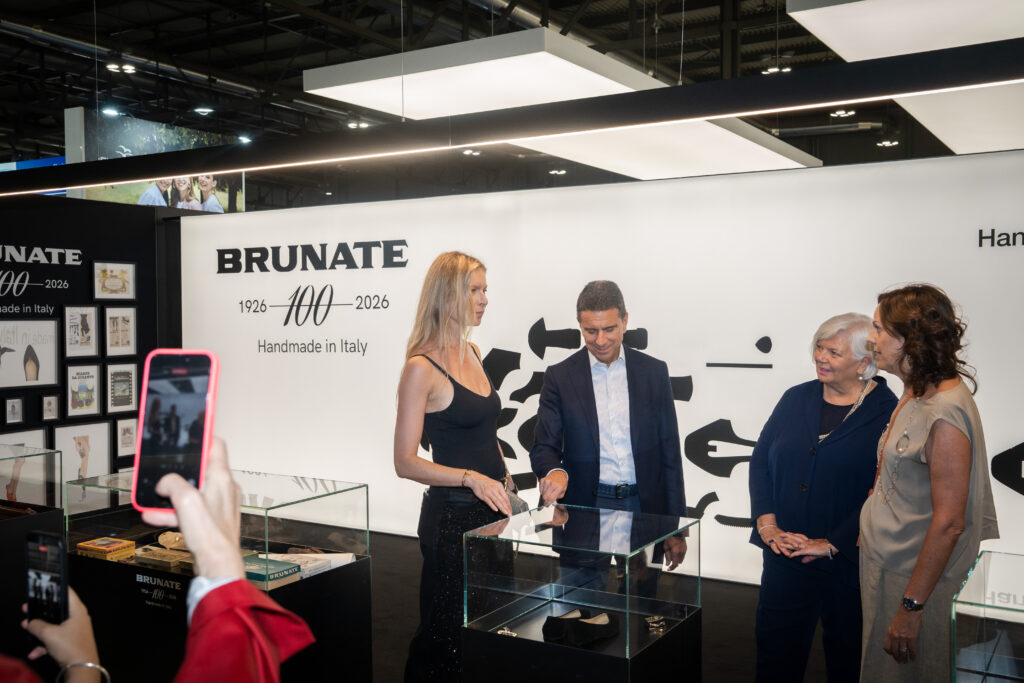
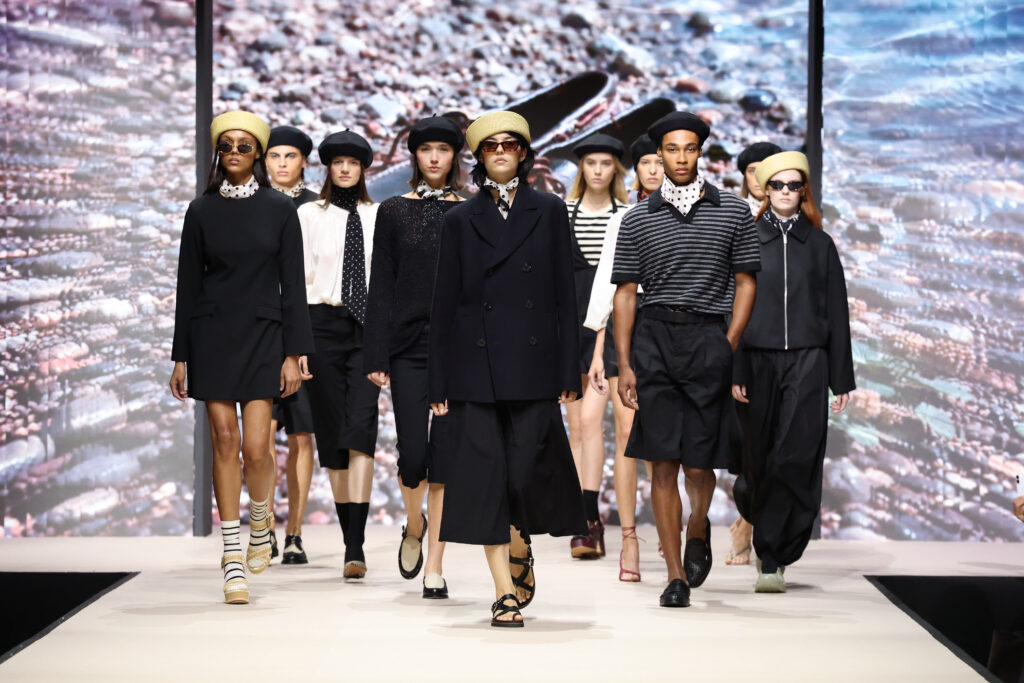
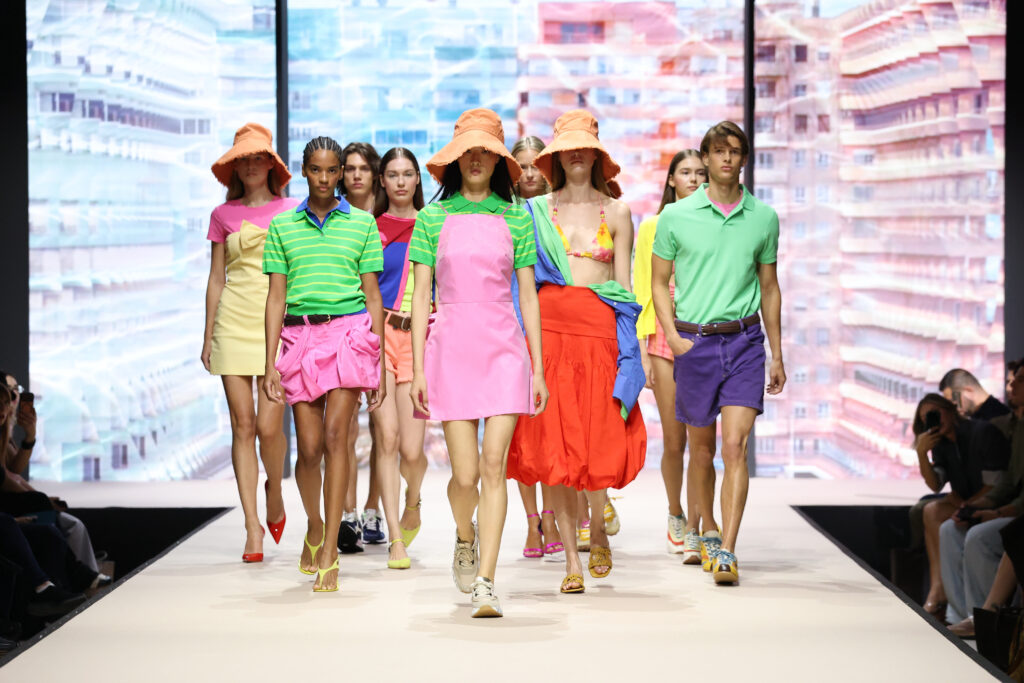
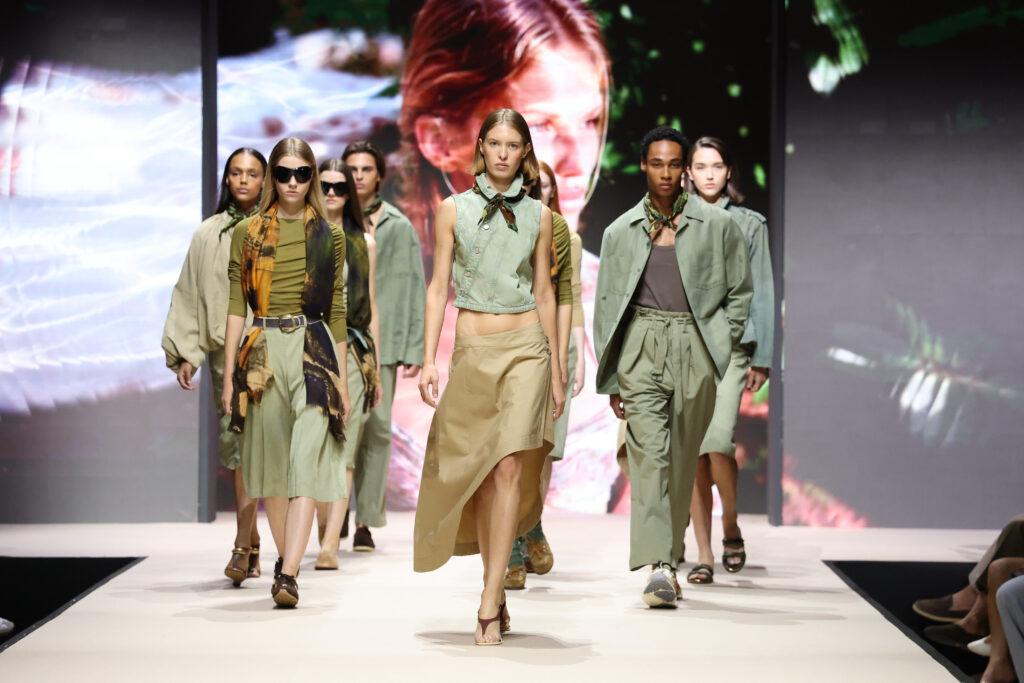
MICAM Milano — Opening of Fashion Link Milano, September 2026.
Italian craftsmanship remains at the foundation, but the conversation now includes AI and predictive intelligence. Buyers are becoming more selective and informed. Retailers are building stronger identities around their assortments. Emerging designers are entering an increasingly international marketplace. And physical trade fairs are being redefined as spaces for relationships rather than simply product discovery.
MICAM’s most interesting proposition for SS27 may therefore be its ability to hold these seemingly different worlds together: heritage and innovation, craftsmanship and technology, creativity and commerce, established manufacturing and emerging talent.
The future of footwear is not being presented as one singular trend.
It is being built through a conversation between all of them.
Ariel Thi
Fashion Journalist & Creative Director