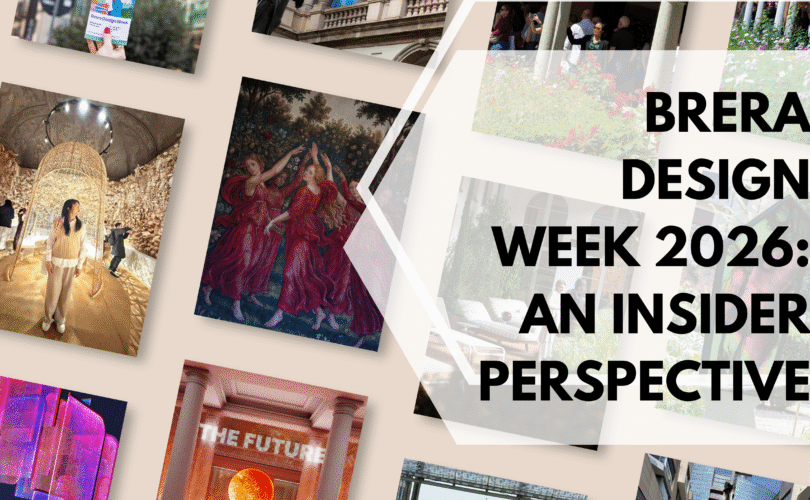
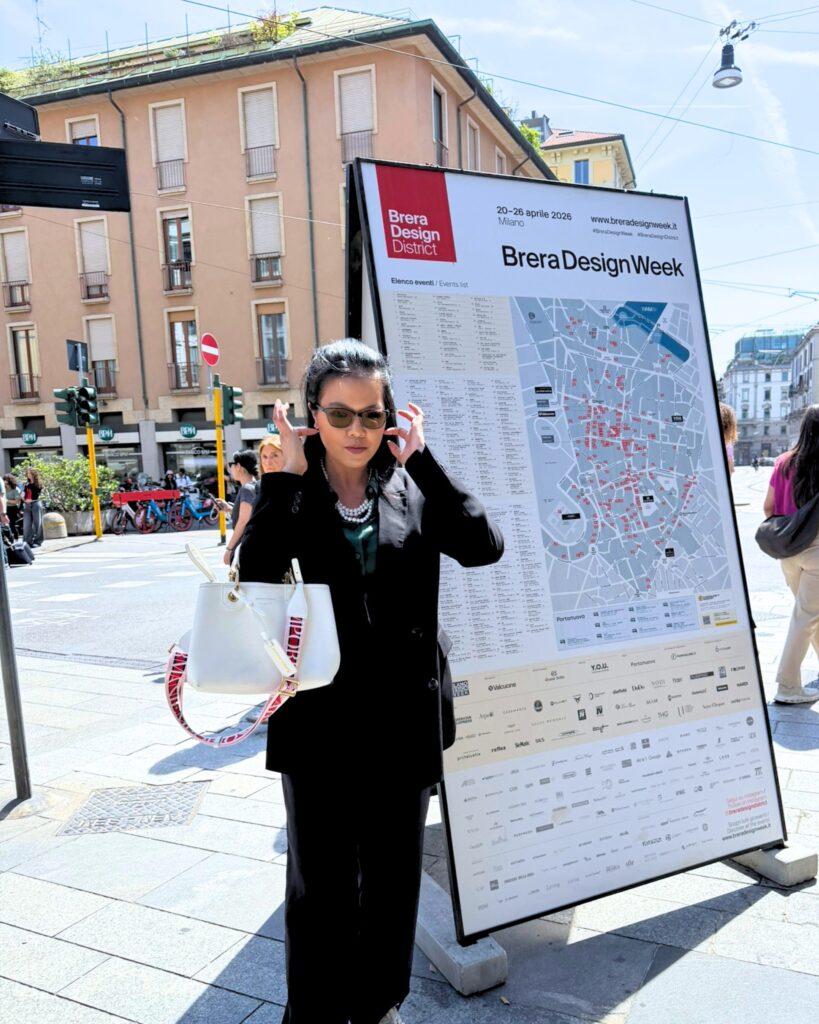
This year at Brera Design Week 2026 felt different. Not just bigger—but more aware of itself.
Yes, the numbers are impressive—over 240 events, hundreds of designers, and a constant flow of people moving through Brera’s streets—but what stayed with me wasn’t the scale. It was the feeling of a district that understands its role as a cultural connector, not just a design destination.
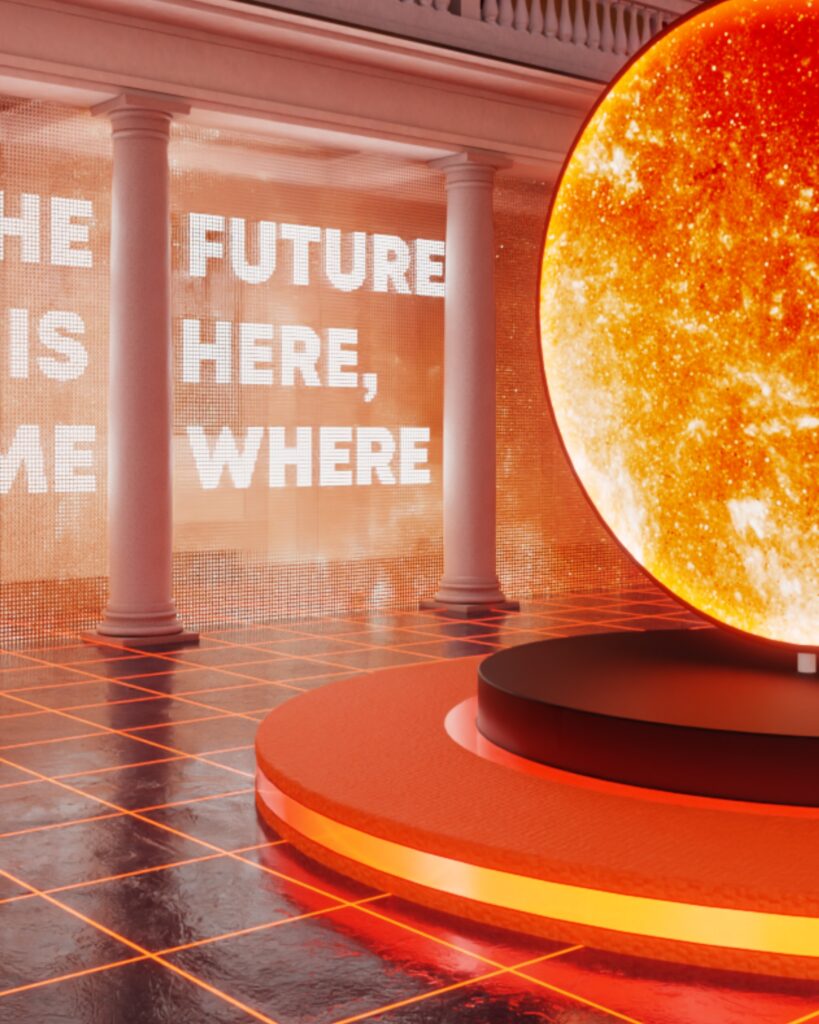
The theme “Be the Project” wasn’t just a concept this year—it was something you could actually experience. Projects felt more fluid, more human. Installations weren’t asking to be looked at; they were inviting you in, asking you to engage, reflect, and sometimes even question your role within them.
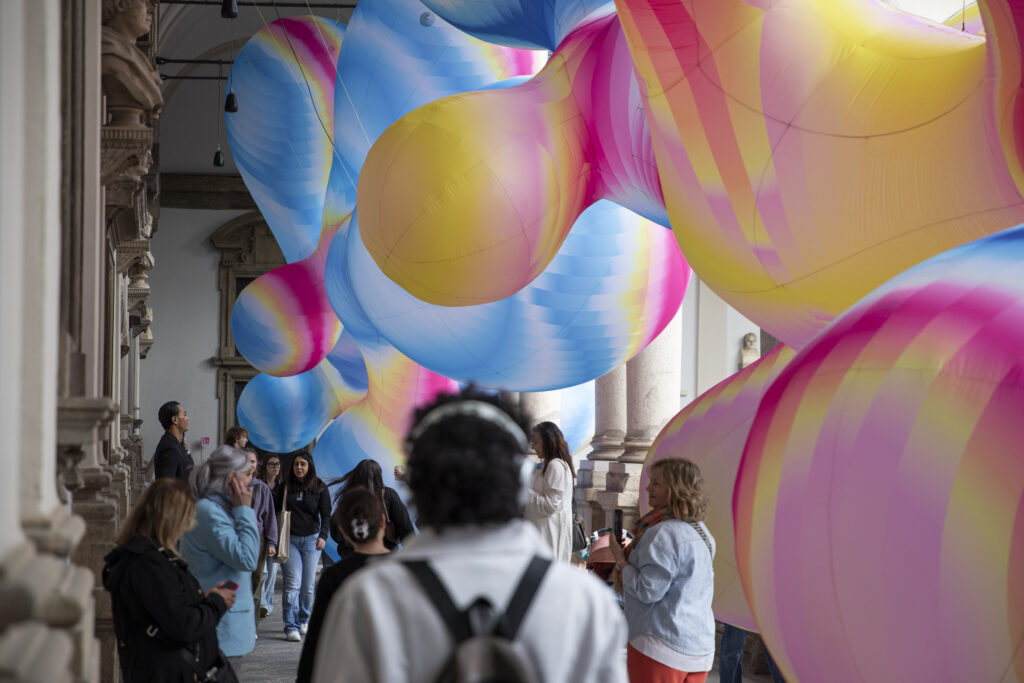
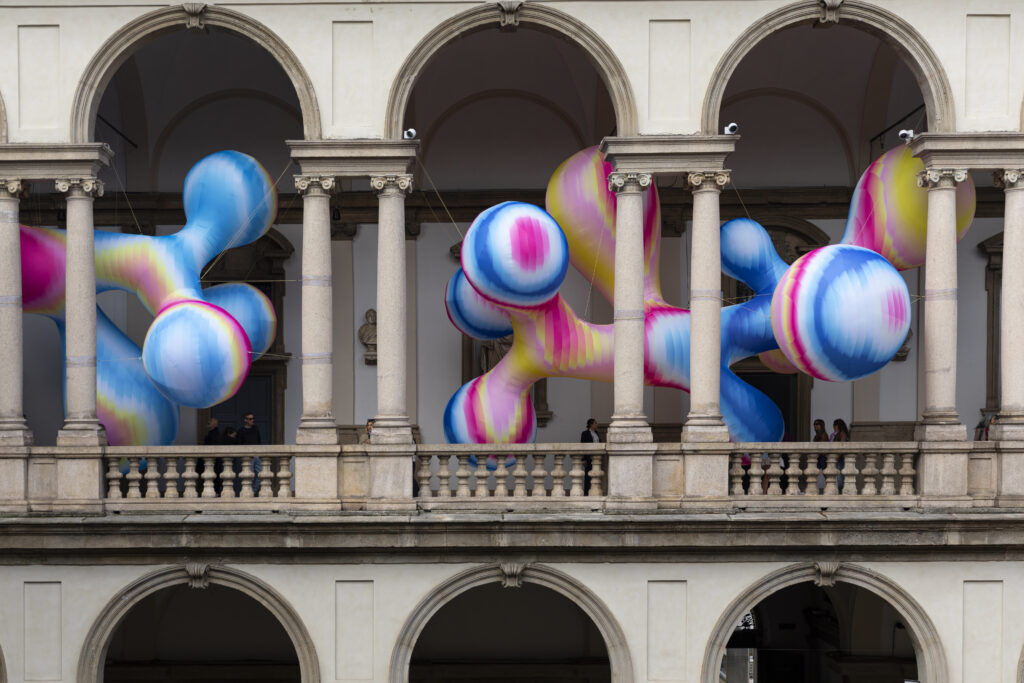
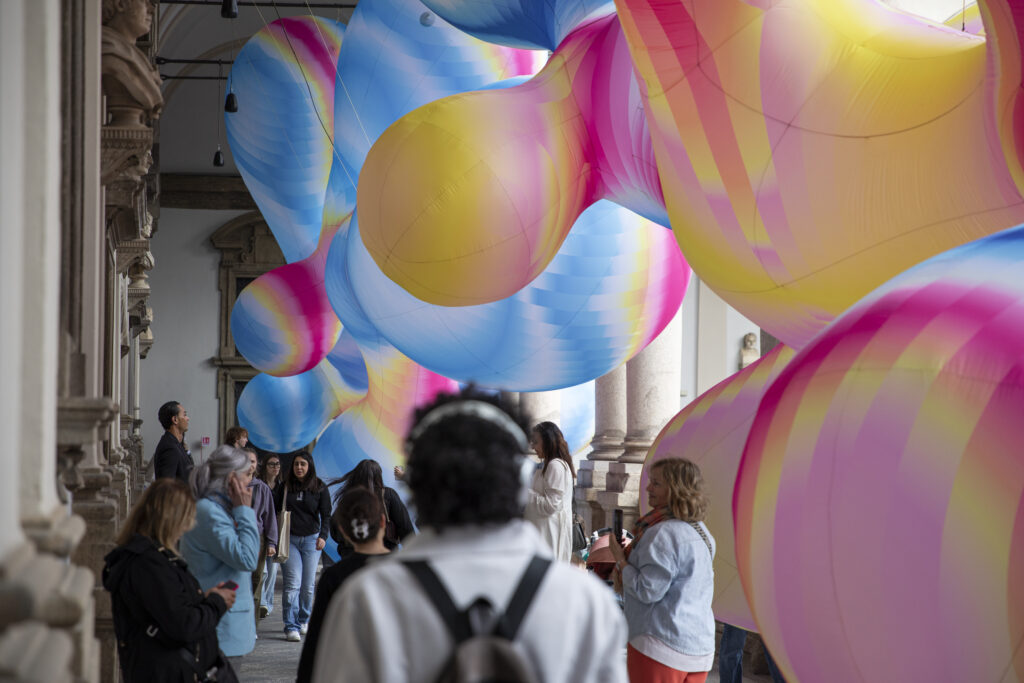
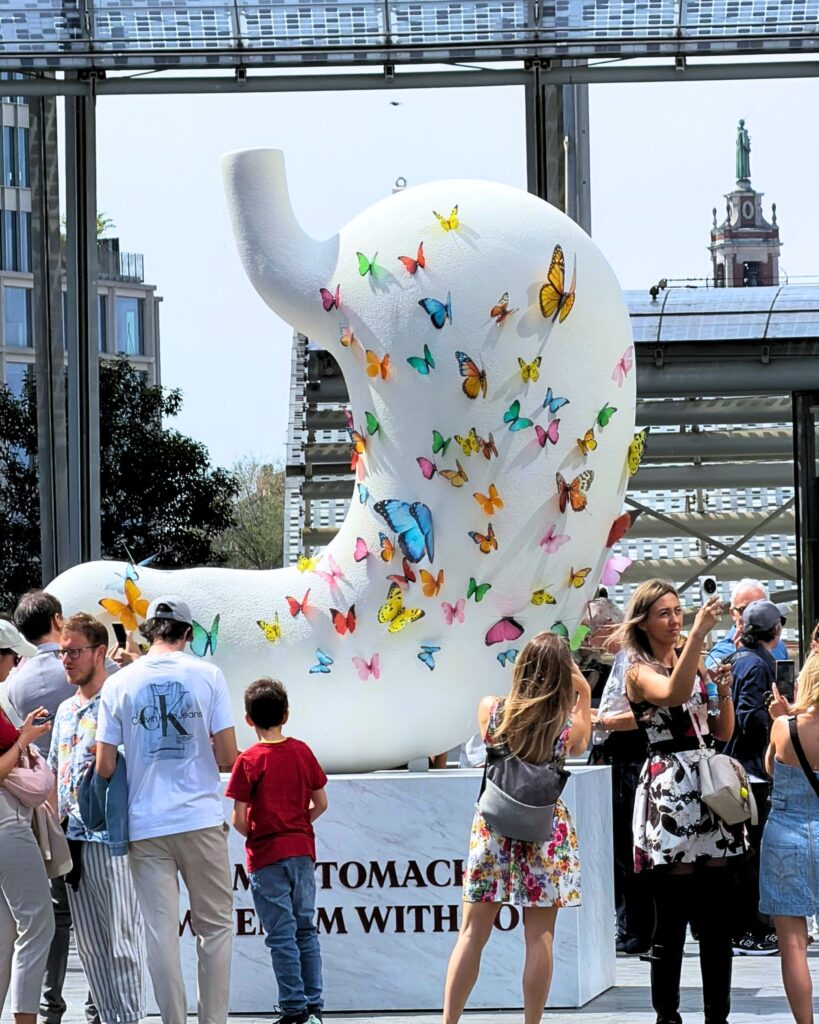
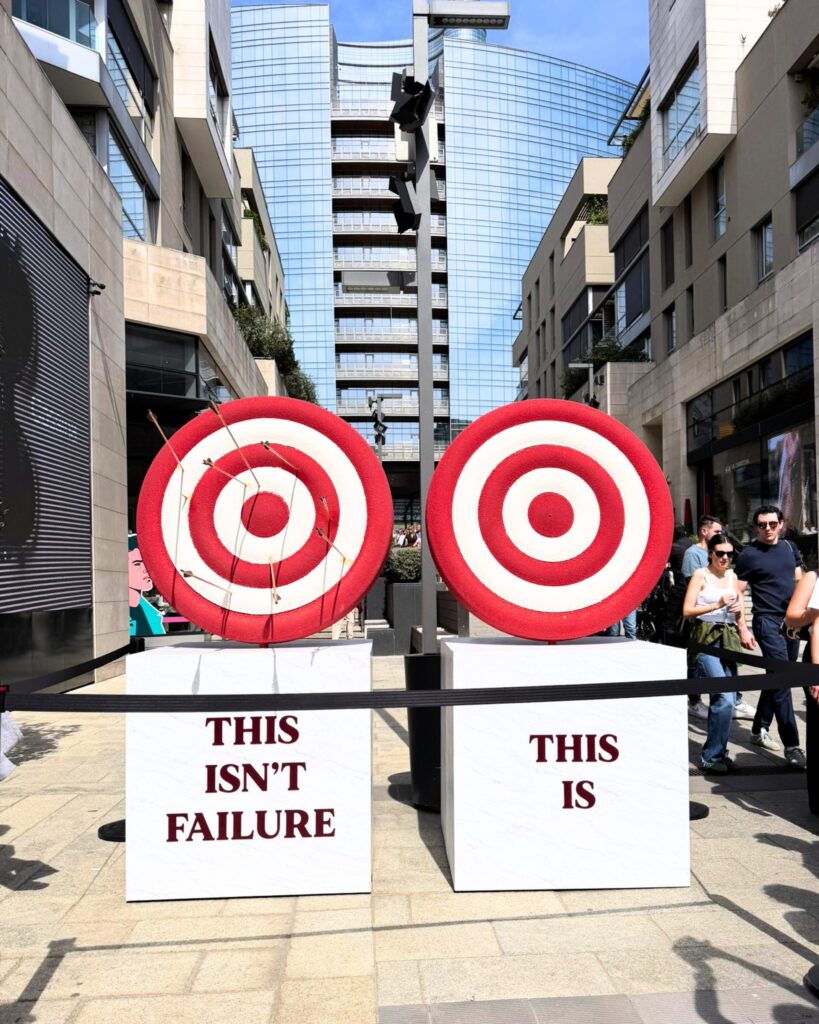
One moment that stayed with me personally was “Serotonin – the chemistry of happiness”, alongside “Blooming Imperfections – Relationships in Progress.”
There was something quietly powerful in the way these narratives translated emotions into space—exploring connection, fragility, and growth not as perfect outcomes, but as ongoing processes. It felt intimate, almost poetic, and in contrast to the scale of the week, it brought everything back to a human level.
I also found the intervention by glo™ particularly interesting within the glo™ for art platform. The installation Y.O.U. by Numero Cromatico played with perception and interaction in a way that felt both immersive and analytical—bridging art, audience, and data.
And then there are those visual moments that stay with you.
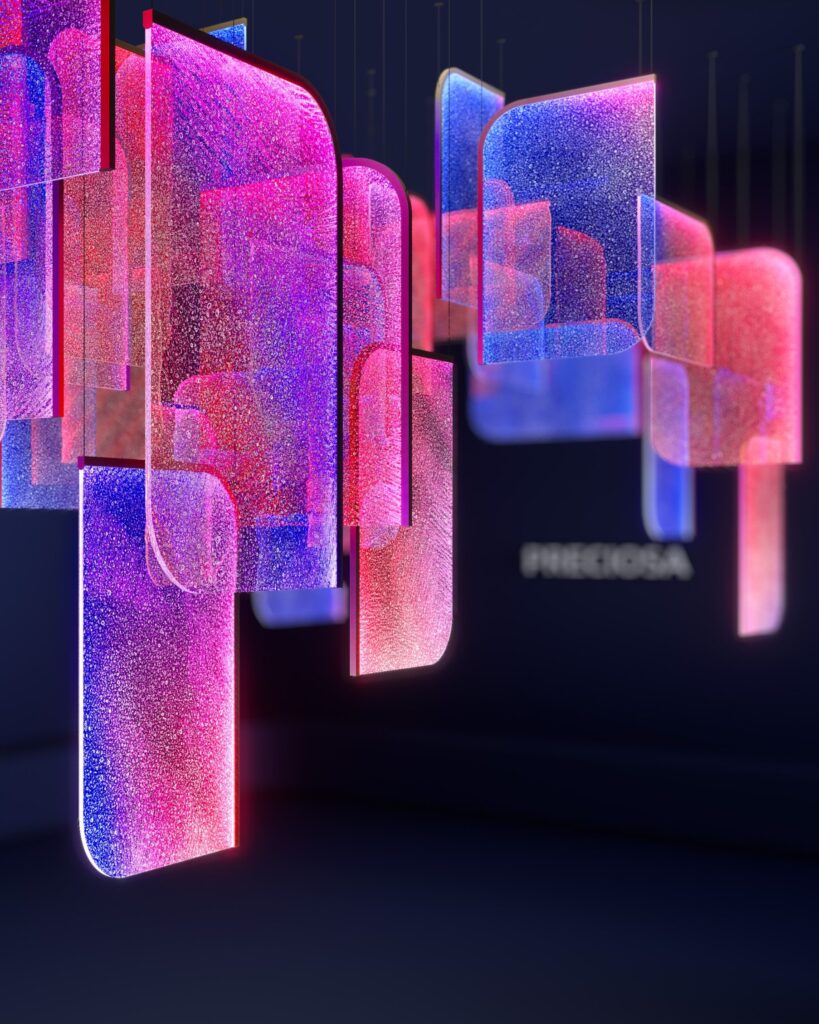
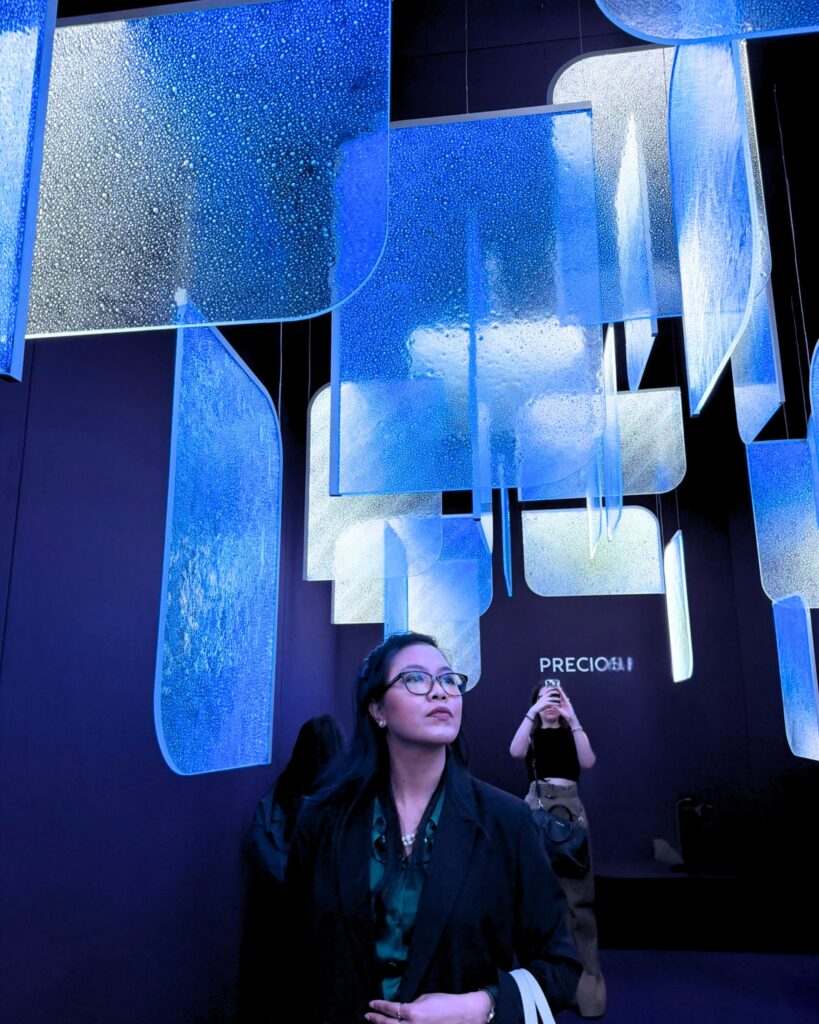
The Drifting Lights installation by Preciosa didn’t try to dominate the space—it worked quietly.
A delicate play of light and reflection, creating a fleeting, almost fragile atmosphere that you could easily miss if you weren’t paying attention.
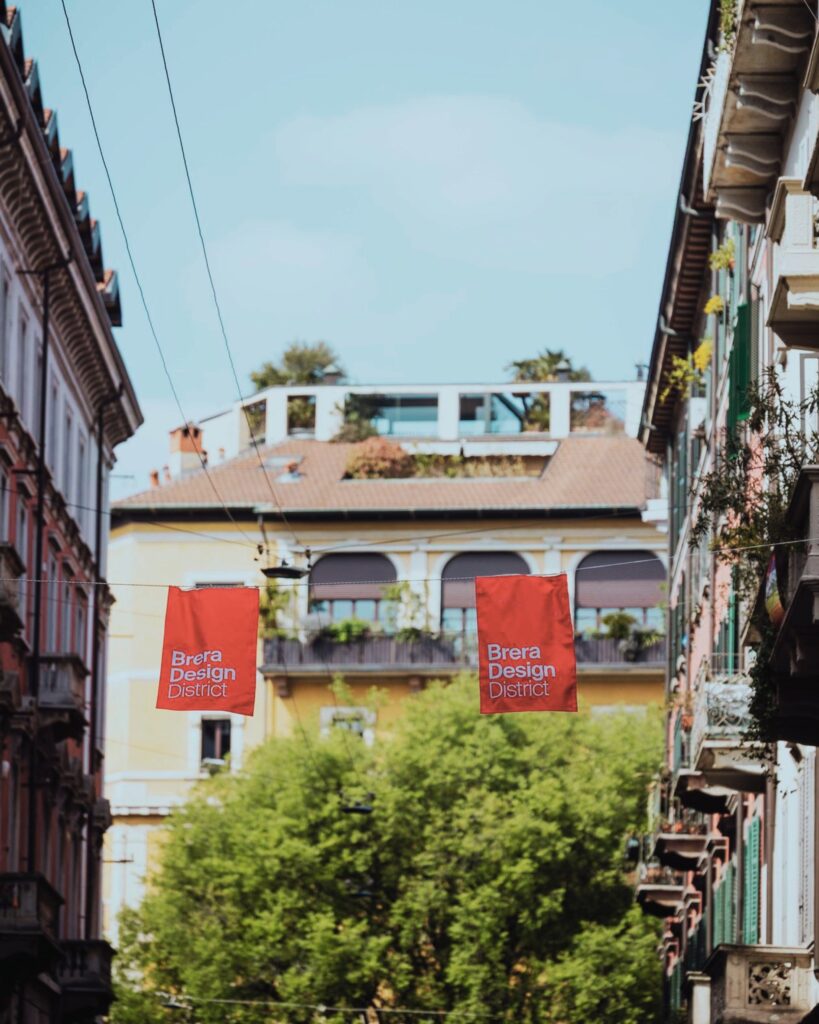
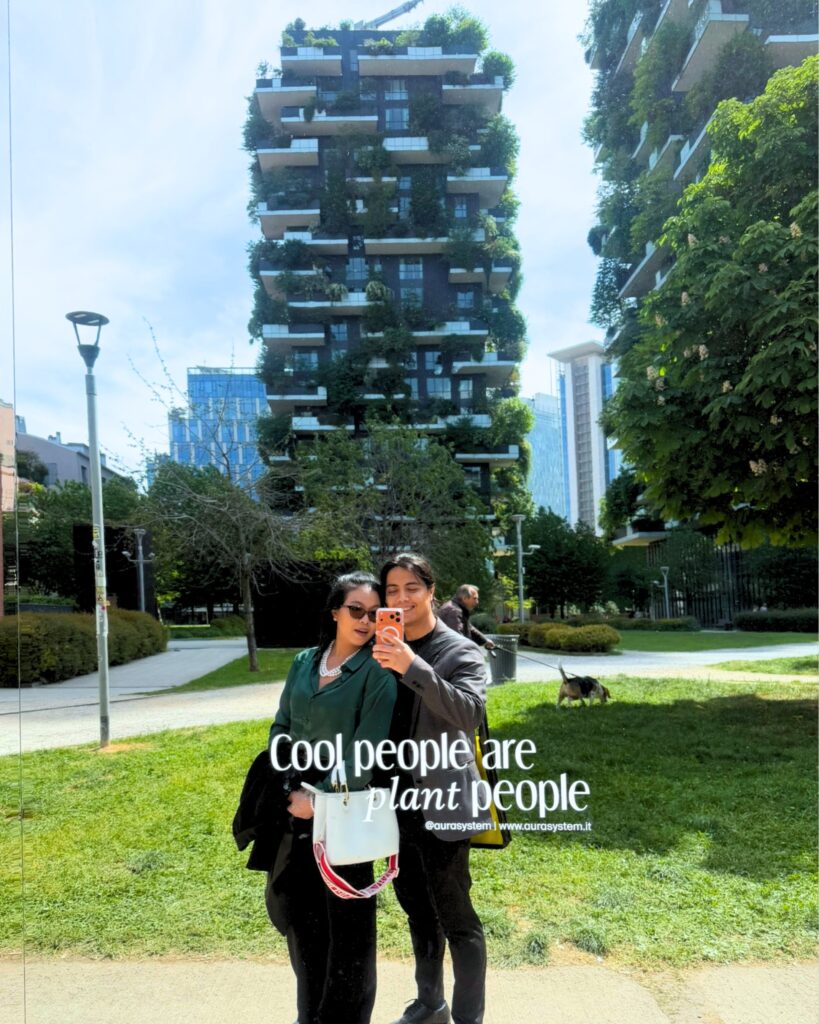
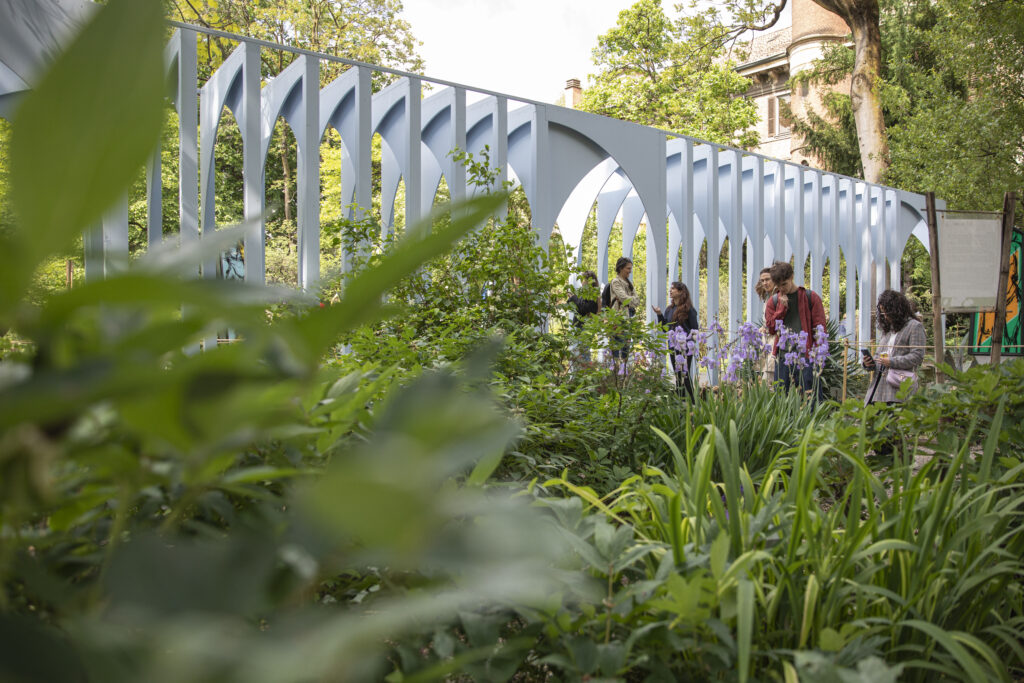
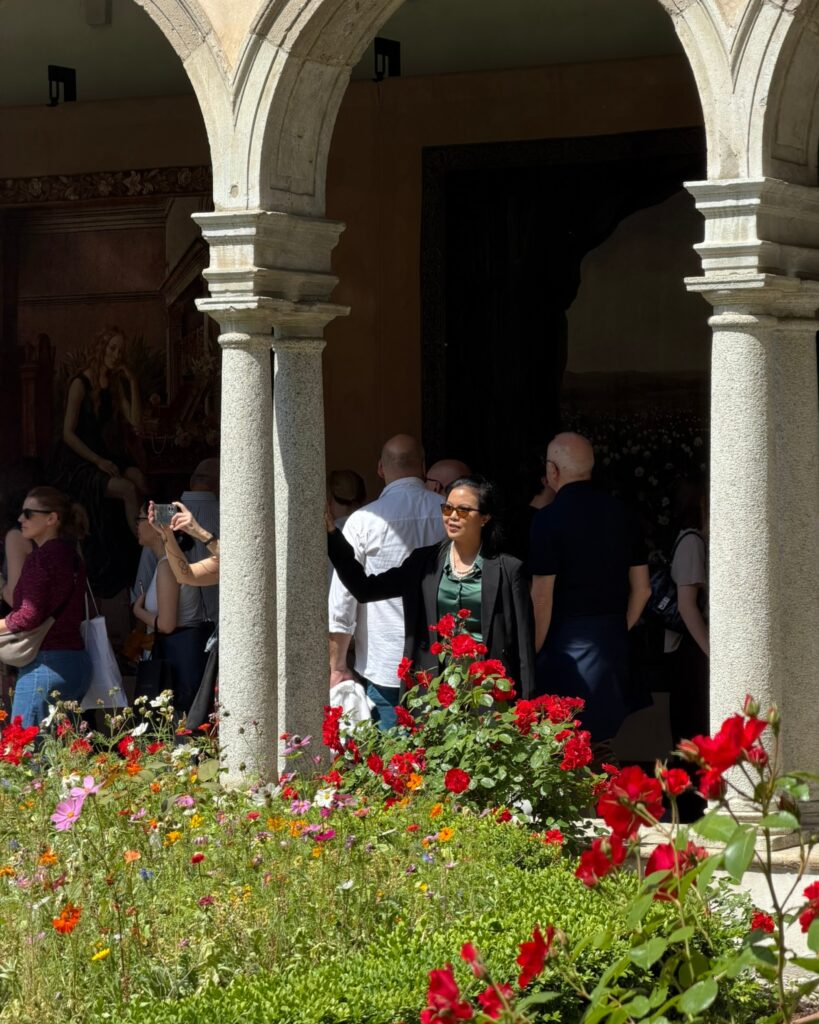
Walking through Brera, from hidden courtyards to iconic palazzos, I found myself constantly shifting perspective. Spaces like the Botanical Garden or Palazzo Citterio didn’t feel like venues—they became part of the narrative. That’s something Brera does incredibly well: it doesn’t separate context from content.
What really caught my attention, from a communication and strategy point of view, was the introduction of the Fuorisalone Passport. For me, this signals a turning point. We are moving into a phase where experience is not only curated but also measured—where audience behavior becomes part of the design process itself.
And then, of course, fashion.
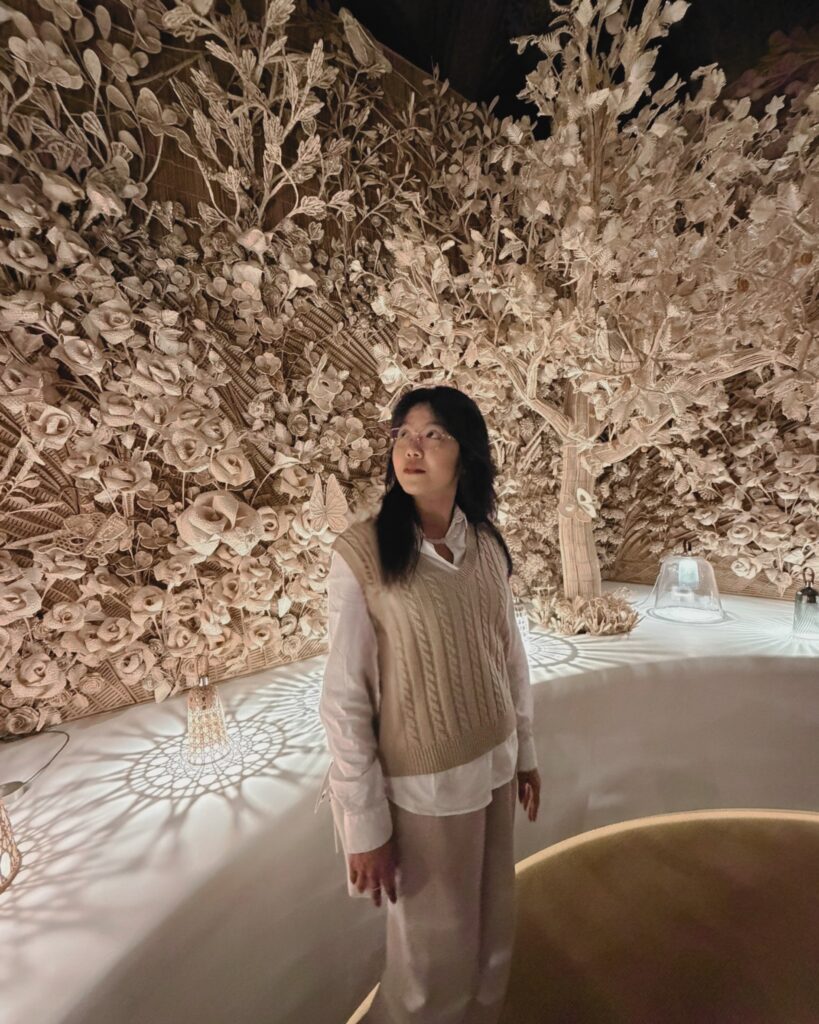
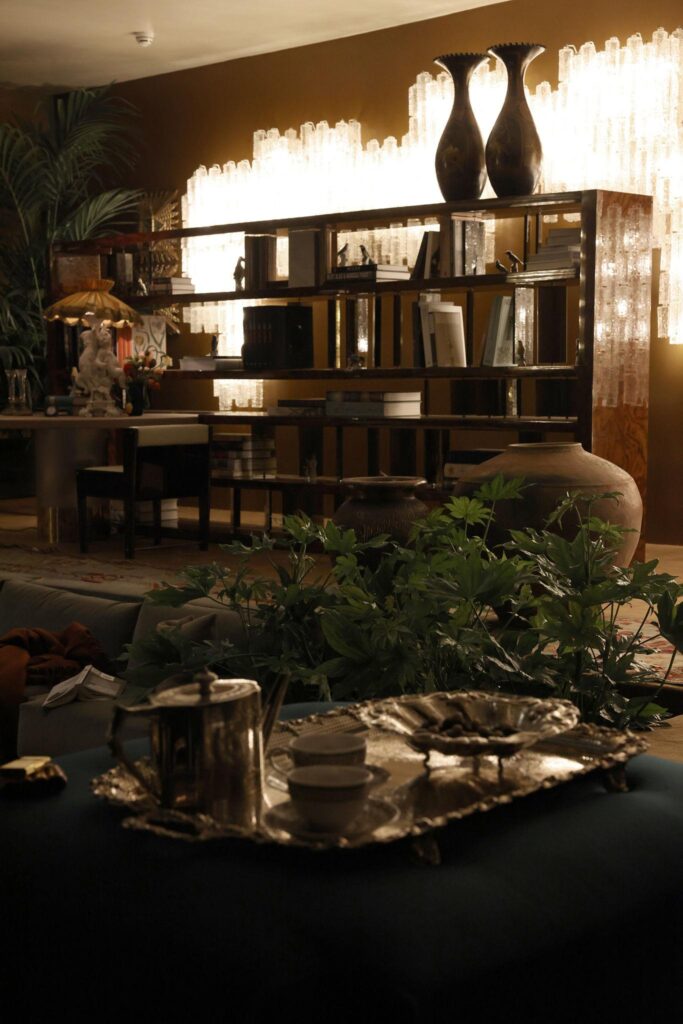
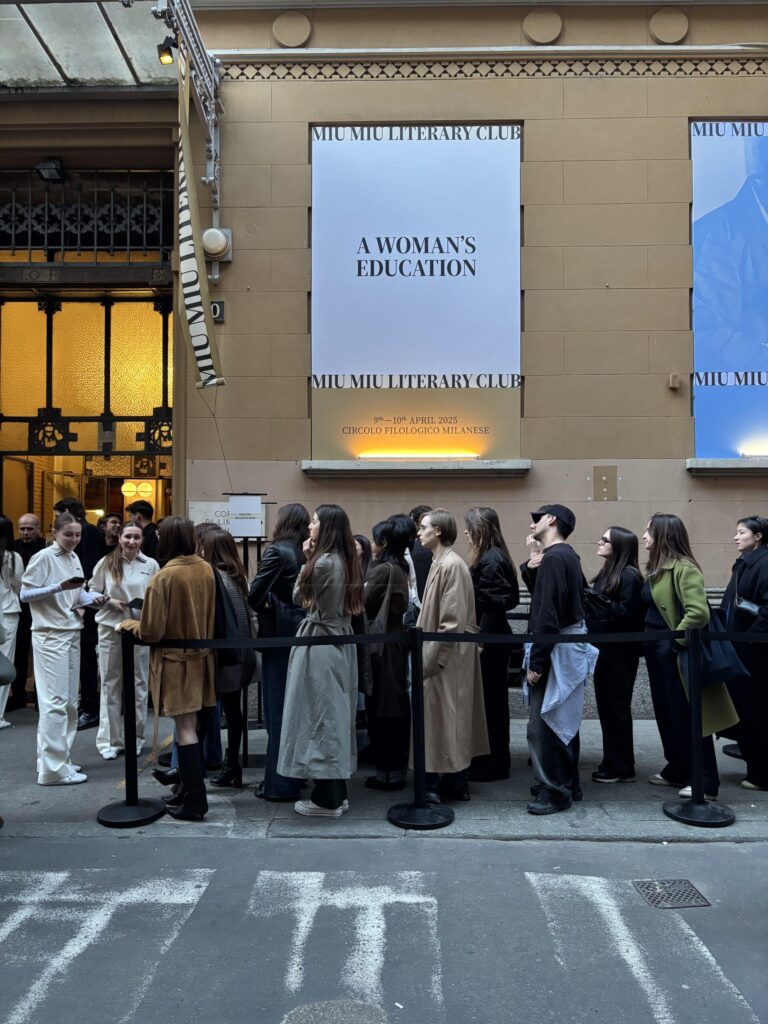
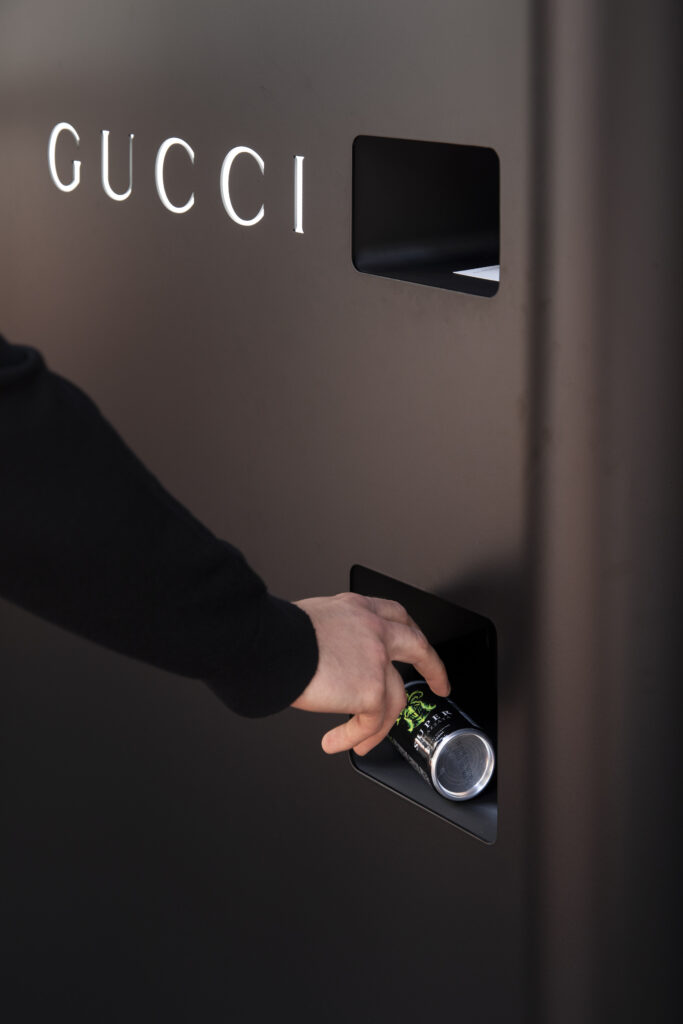
Brands like Gucci, Hermès, Miu Miu, Loro Piana, and Jil Sander approached Brera not just as a showcase, but as a space for cultural positioning.
And then, of course, fashion.
Brands like Gucci, Hermès, Miu Miu, Loro Piana, and Jil Sander approached Brera not just as a showcase, but as a space for cultural positioning.
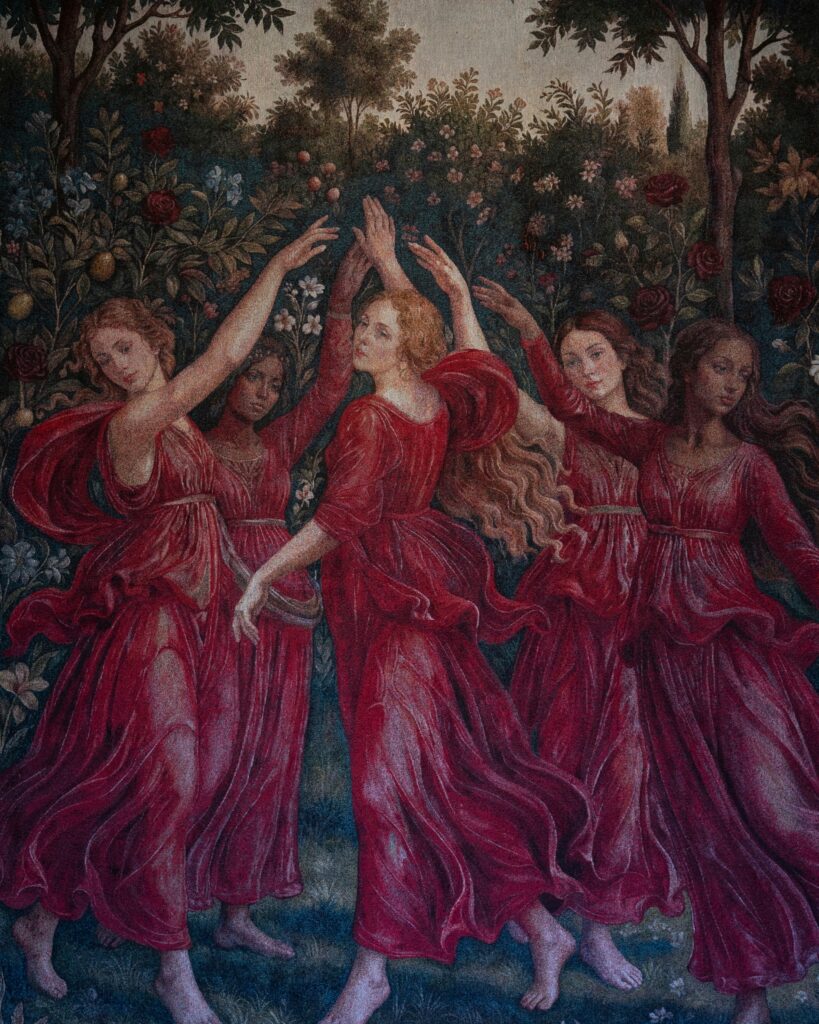
What I found particularly interesting is how these brands are shifting their language here—less focused on product, more on atmosphere and narrative. Installations become extensions of identity, almost like spatial storytelling.
For me, this reinforces how Brera is evolving into more than a design destination—it’s becoming a strategic platform where fashion brands build relevance through experience, not just visibility.
This perspective comes from being both inside and outside the system—experiencing the moment while also reading its strategies.
There’s more to unfold, especially in terms of how brands are positioning themselves within this evolving landscape.
I’ll be sharing further insights and deeper analysis on my website for those interested in this point of view.