By Ariel Thi
There are exhibitions that impress you with scale, and then there are exhibitions that stay with you long after you leave. During my visit to Salone del Mobile.Milano 2026, ABITO was one of those unforgettable experiences. Rather than celebrating fashion or furniture separately, it invited visitors to discover how the two disciplines have evolved together, telling the story of Italian culture across generations.
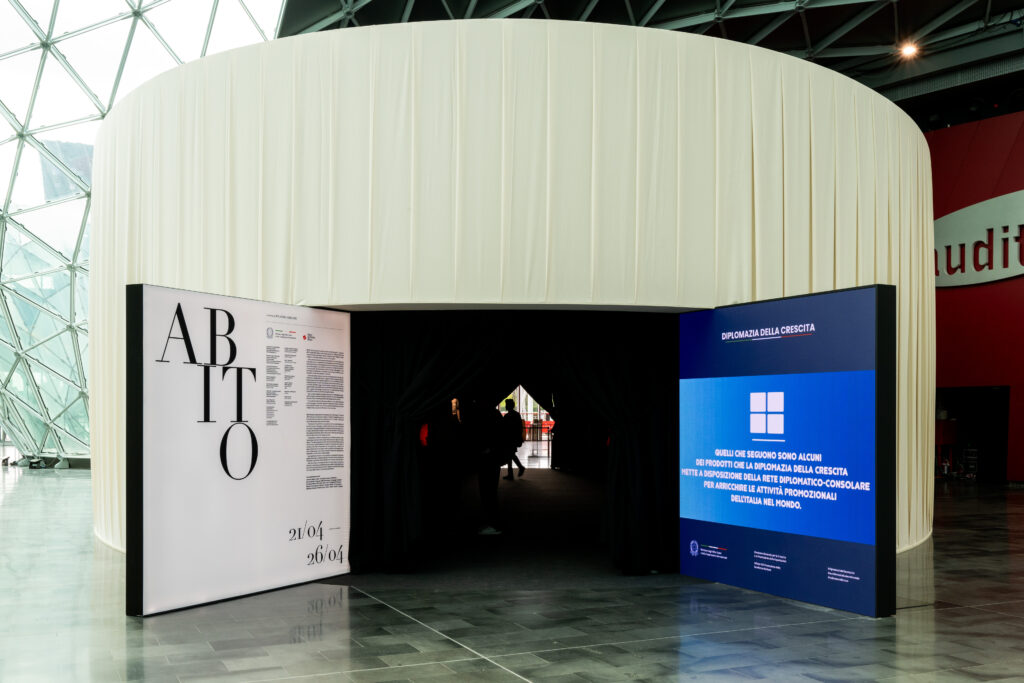
Walking into the exhibition felt like stepping through a timeline. Each gallery represented a different decade, where archival fashion pieces were thoughtfully paired with iconic Made in Italy furniture and design objects. It wasn’t simply about displaying beautiful garments or collectible furniture—it was about understanding how the way we dress and the way we live constantly influence one another.
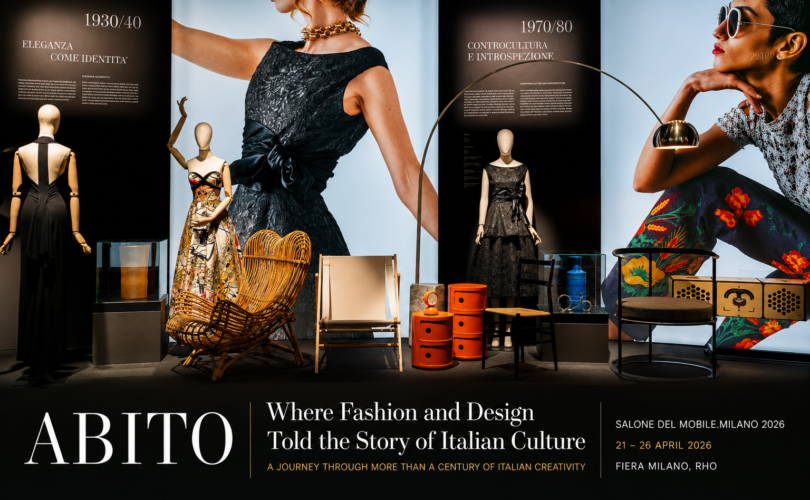
What immediately caught my attention was the exhibition’s visual language. Large-scale portraits created a contemporary backdrop, while carefully curated interiors framed each period. The combination transformed every section into an immersive environment rather than a traditional museum display. As someone working in fashion communication, I appreciated how storytelling became the exhibition’s strongest design element.
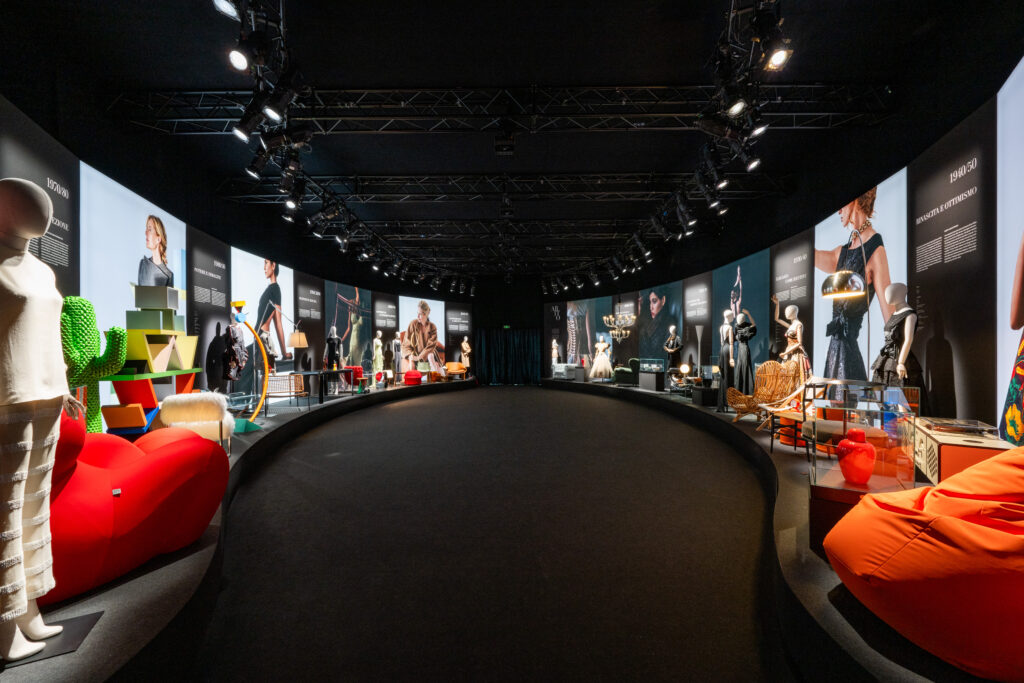
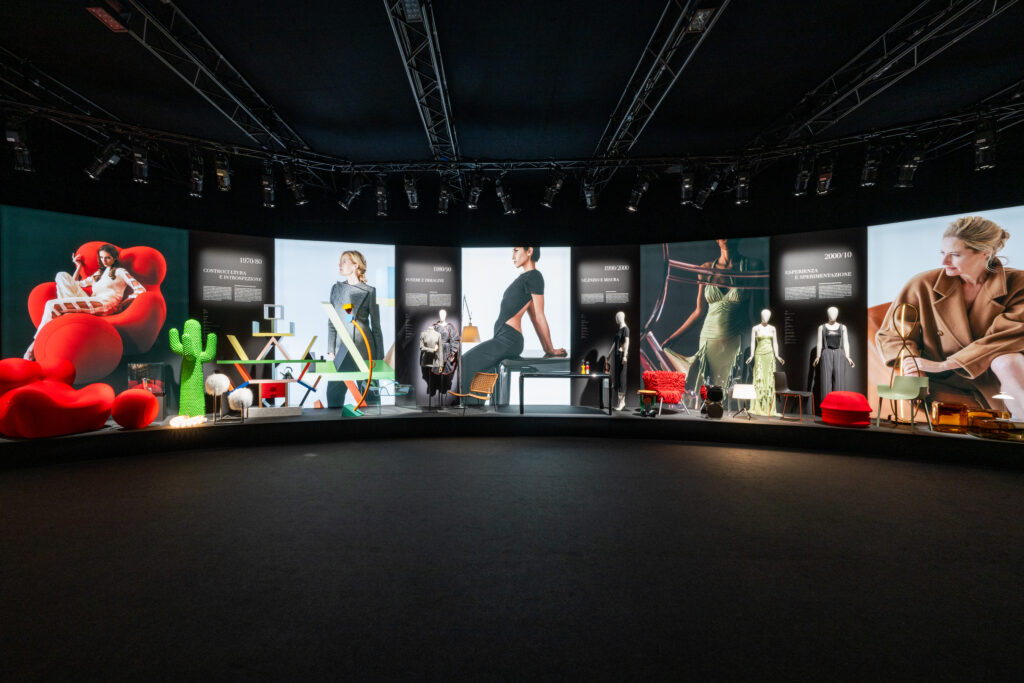
One section that particularly resonated with me explored the elegance of the 1930s and 1940s. The dialogue between couture silhouettes and timeless furniture illustrated how beauty, craftsmanship, and identity were deeply connected. Moving through the following decades, I noticed how changing social values were reflected not only in fashion but also in the objects that shaped everyday life—from the bold experimentation of the 1970s to the quiet minimalism of the 1990s and today’s conversations around sustainability and fluid identity.
What makes ABITO memorable is that it asks a simple but powerful question: Can fashion and design tell the same story? After experiencing the exhibition, my answer is yes. Clothing records who we are in a particular moment, while furniture often remains with us for years, becoming part of our memories. Together, they create a visual archive of how society evolves.
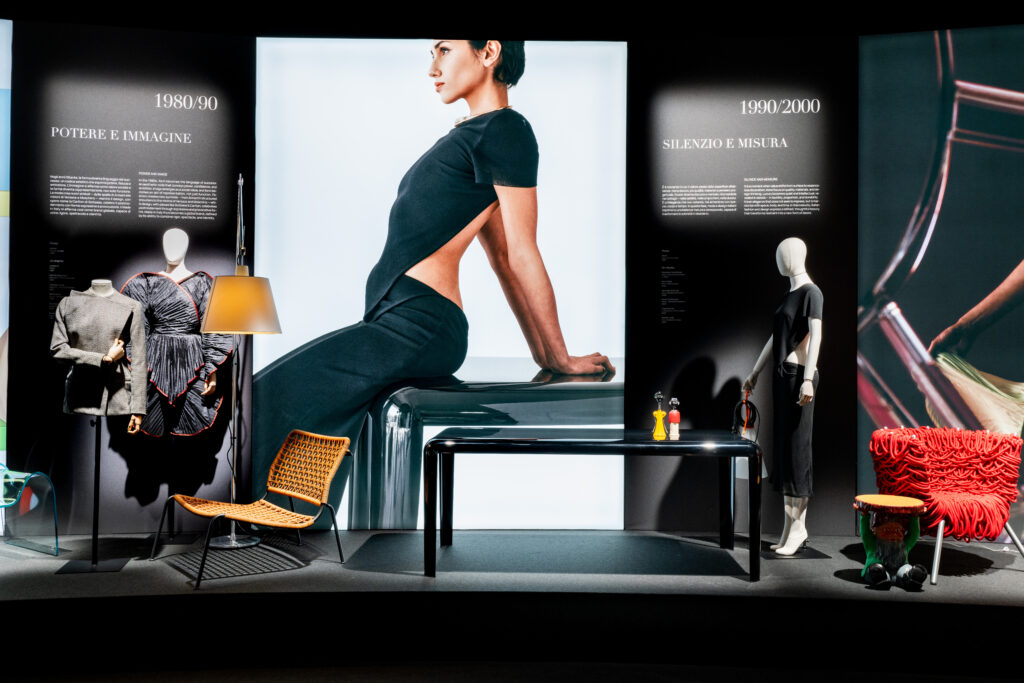
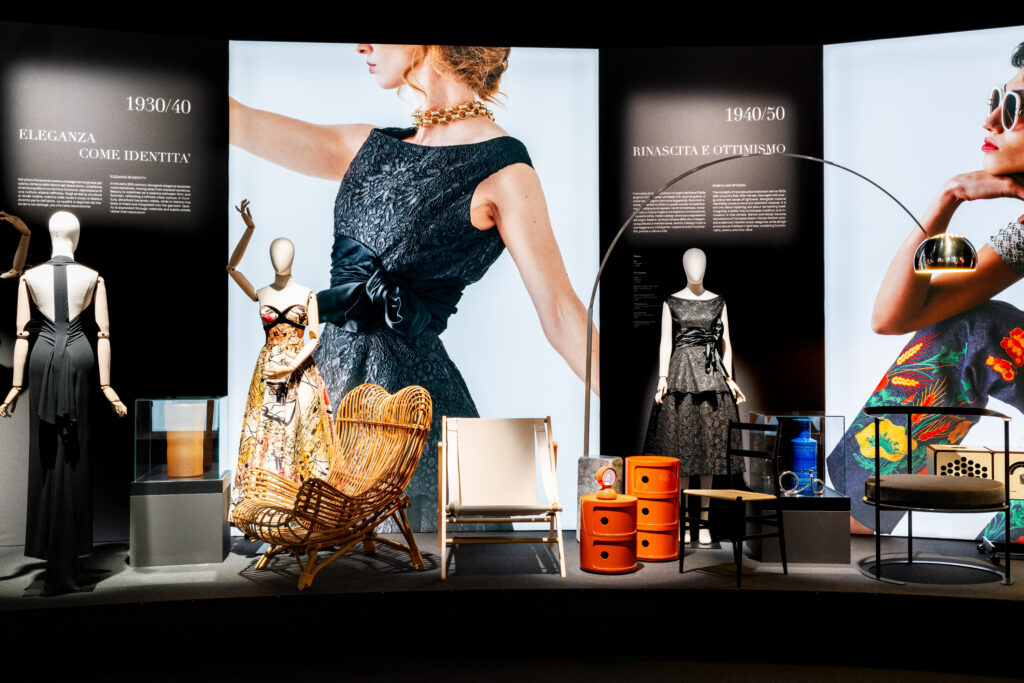
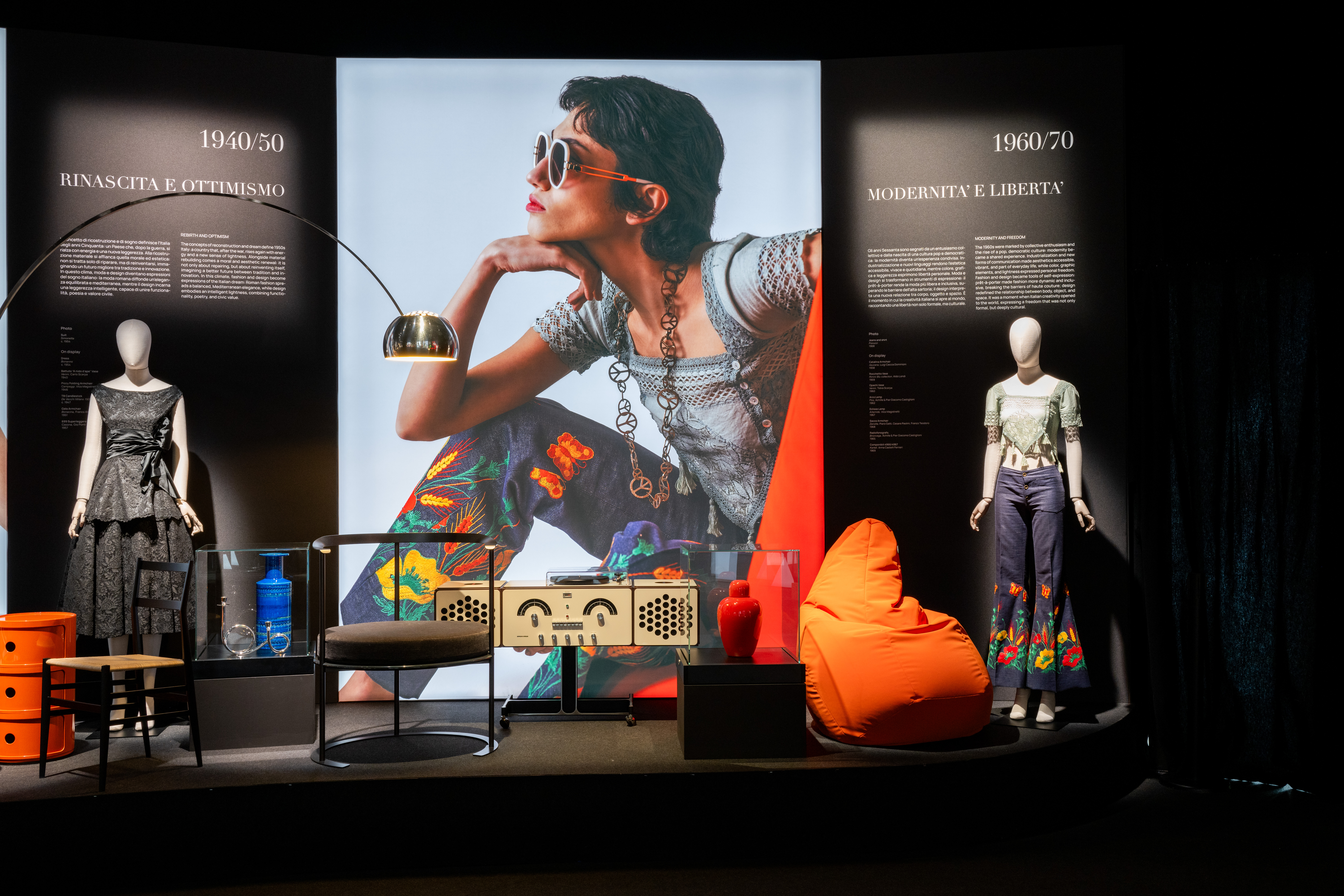
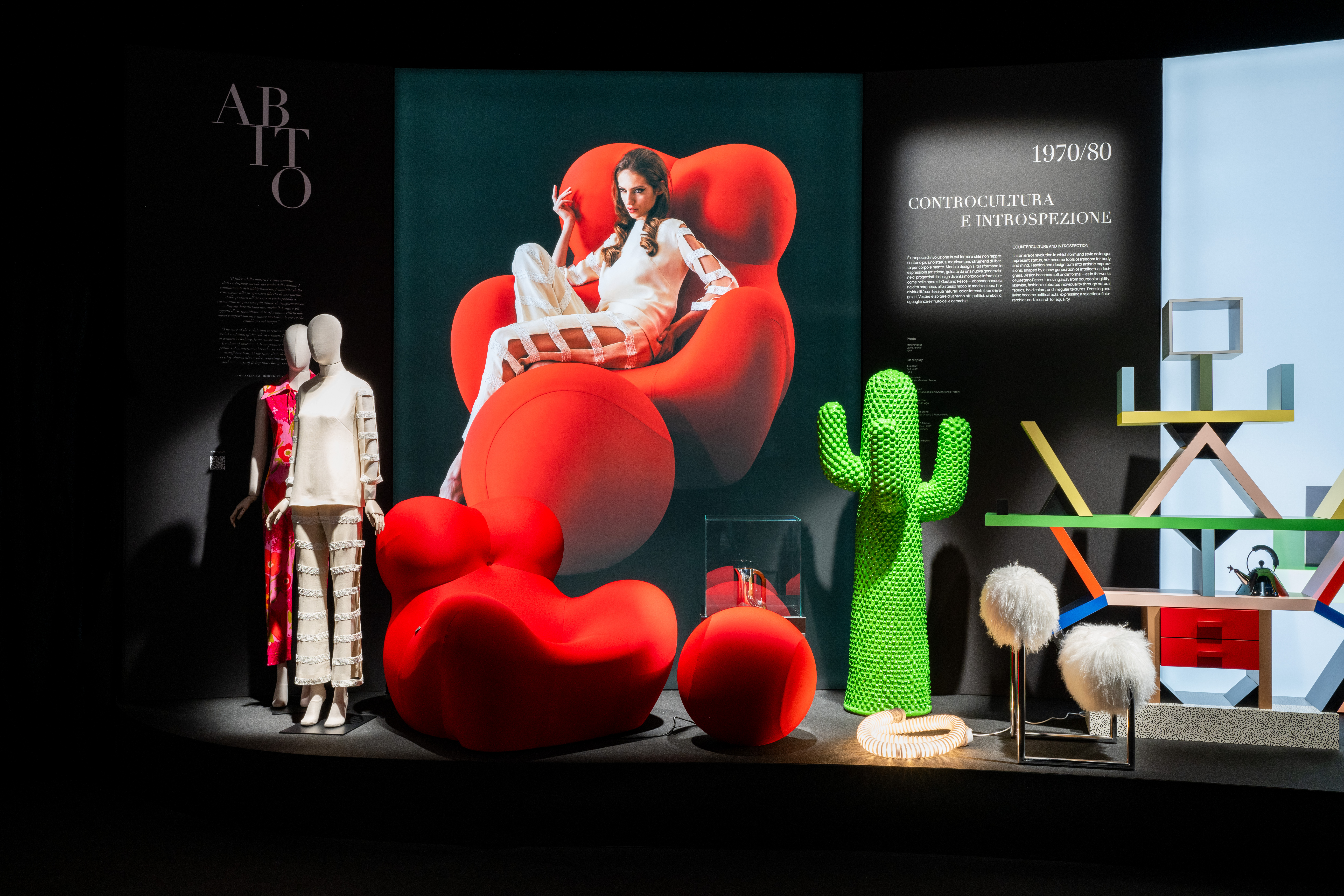
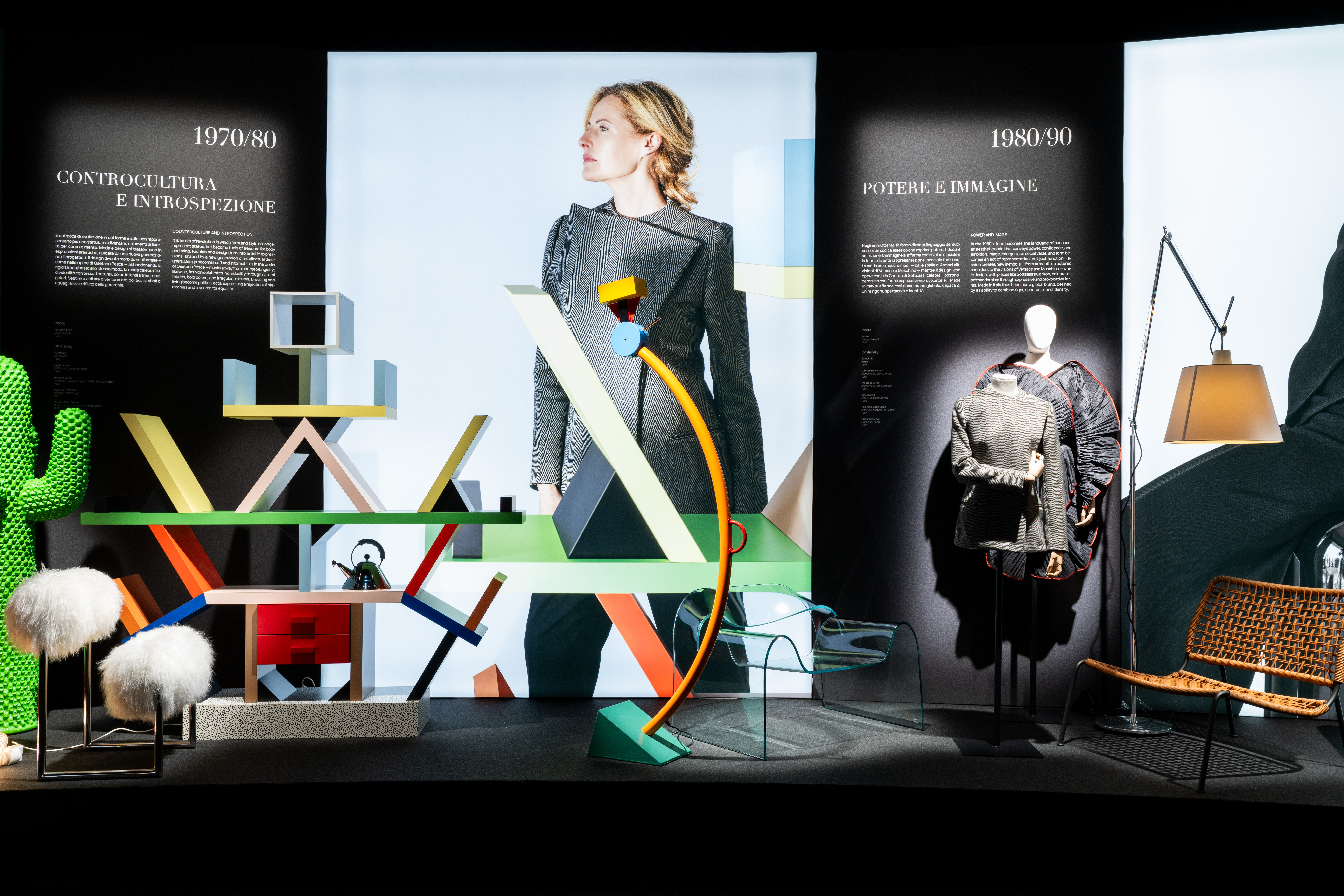
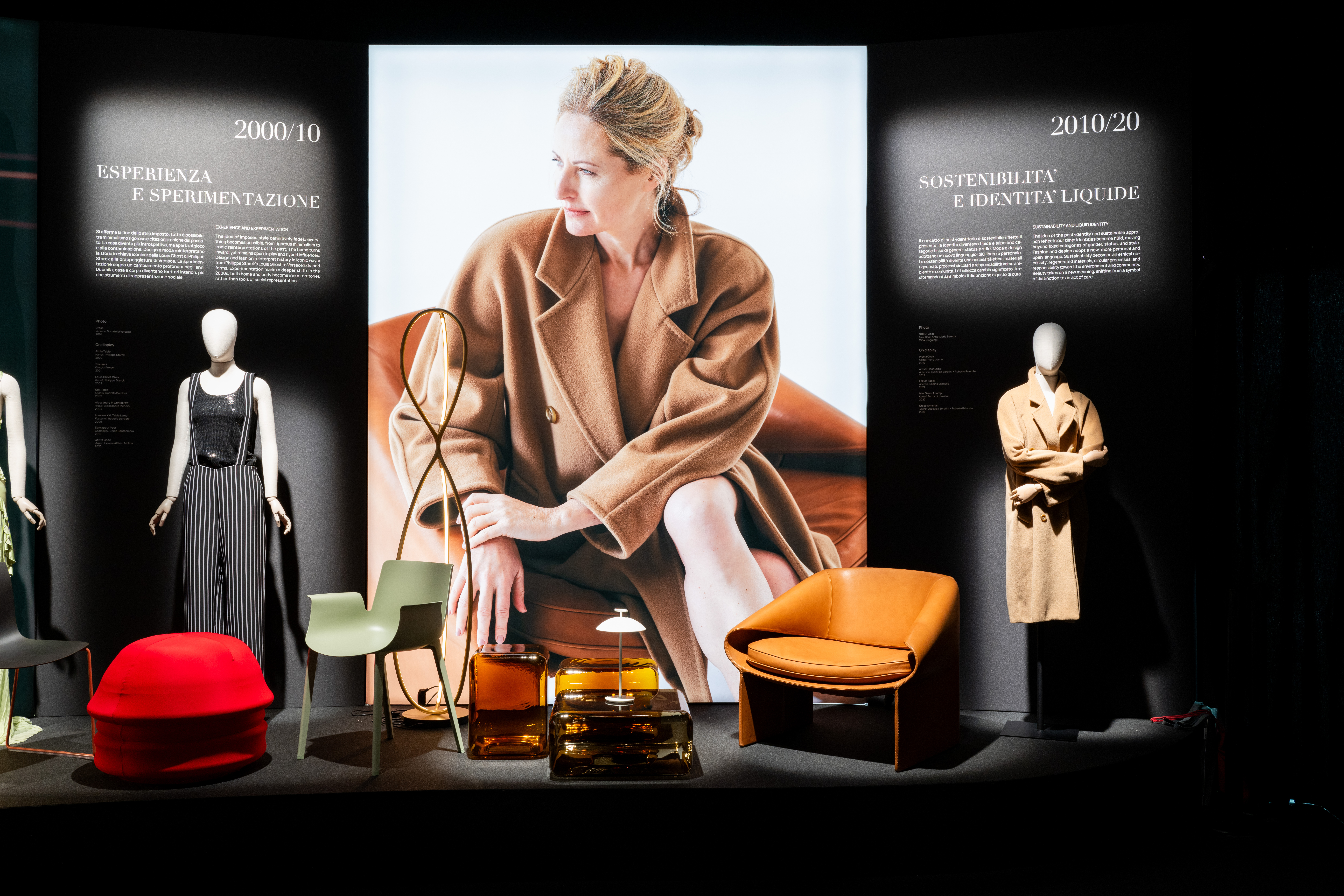
As I left the exhibition, I found myself thinking less about individual pieces and more about the relationship between them. ABITO reminded me that great design is never created in isolation. Fashion, interiors, architecture, and culture continuously inspire one another, shaping not only our aesthetic preferences but also the way we experience everyday life.
Looking back several months later, ABITO remains one of the most thoughtful exhibitions I experienced during Salone del Mobile.Milano 2026. It demonstrated that the true value of design lies not only in creating beautiful objects, but in telling meaningful stories that connect people, history, and culture.