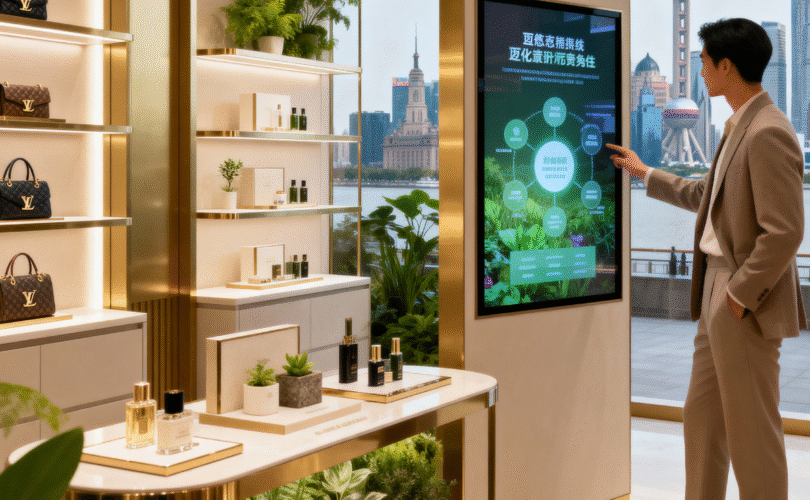
Kering’s partnerships in China mark a shift in luxury: stores now communicate brands’ ethical and sustainable commitments.
As a Global Branding and Fashion Communication Specialist based in Milan, the strategic moves of the major conglomerates are not just news – they are the blueprints for the future of our industry. This week, the most significant shift comes from Kering, whose decisive commercial partnerships in China signal a profound change in how luxury communicates its ethical commitment on the ground.
The narrative is no longer confined to the beautiful product; it’s about the responsible environment in which that product is bought. This focus on sustainable retail infrastructure is the new frontier of luxury trust.

The Strategic Pivot: Store as Sustainable Statement
We are moving past the era where sustainability was merely a product-level claim. For 2026 and beyond, the battle for consumer trust will be won or lost at the point of sale.
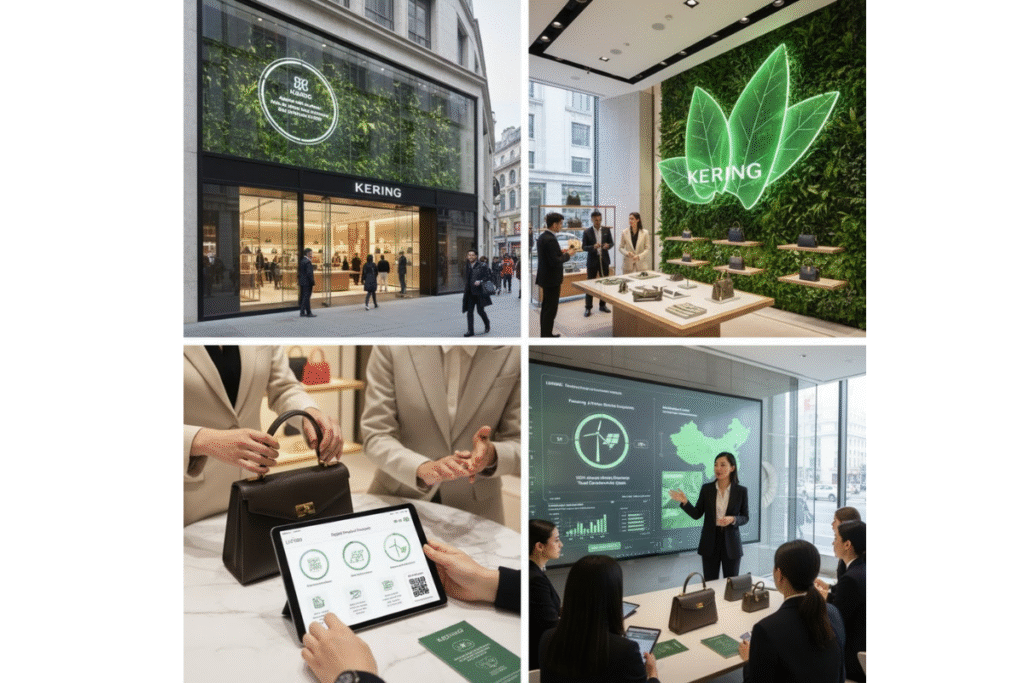
Kering’s recent Memorandum of Understanding (MoU) with real estate leaders like China Resources Mixc Lifestyle is not just about making stores “greener”; it’s a fundamental change in brand communication. This strategy translates high-level corporate goals into a palpable, local retail experience.
Key Takeaways for Branding Specialists:
- From Product to Place: Consumers want to know the entire system is responsible. By targeting 100% zero-carbon electricity for their stores in luxury shopping centres by 2030, Kering is translating abstract Environmental, Social, and Governance (ESG) targets into a tangible, location-based brand promise.
- The Power of Partnership: This approach signals that sustainability is no longer a solo effort. Collaborating with major real estate partners and academic institutions (like Tsinghua University) is a savvy communication play. It says, “We are part of a wider, systemic change,” lending greater authority and credibility than any single brand campaign could achieve.
Note: In an age of ‘greenwashing’ scrutiny, this demonstrates a move toward ’Green Fact-Washing’ – where every claim is backed by a measurable, verifiable, and partnered initiative. This is the future of transparent communication.
The 2026 Mandate: Traceability Meets Transparency
Looking ahead to 2026, the two luxury giants are strategically carving out their definitions of “responsible luxury,” which focuses heavily on verifiable data and consumer-facing systems.
| Conglomerate | 2026 Target (Communication Implication) |
| LVMH (LIFE 360) | 100% of new products to include a customer information system. (A push for absolute Traceability and Transparency at the product level.) |
| Kering (Strategic Partnerships) | Aligning stores with China’s dual carbon’ strategy. (A push for systemic Sustainable Operations at the retail level.) |
The combined strategy is clear: systemic change from supply chain to store front. LVMH is providing the digital product passport, while Kering is ensuring the physical environment aligns with national environmental goals. The physical store, particularly in high-growth markets like China, is evolving into a sustainability embassy.
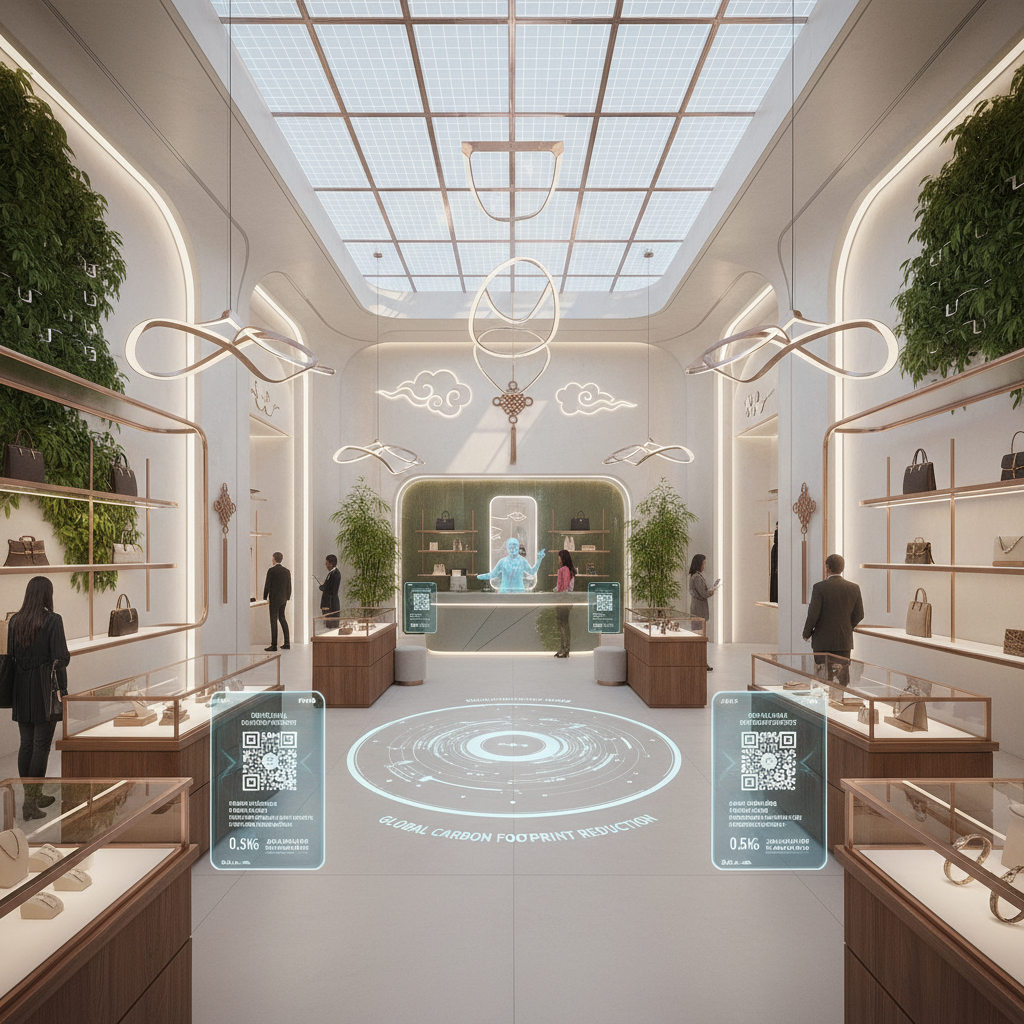
For my peers and the global creative community seeking to grow their careers, this shift in luxury strategy presents a fascinating set of challenges. This is where communication, styling, and education converge.
- Educating the Retail Team: The store associates are now the frontline communicators of complex, scientific ESG goals. They must be equipped to explain what ‘zero-carbon electricity’ and ‘customer information systems’ actually mean for a customer’s shopping experience. This is a critical training and internal communication mandate.
- Making the Invisible Visible: Our role is to translate the invisible (carbon emissions, renewable energy sources, supply chain audits) into visible emotional and value-based benefits for the customer. How does the choice of green-sourced materials feel more luxurious?
- Localised Authenticity: Kering’s strategy aligns perfectly with China’s national ‘dual carbon’ strategy. This is hyper-localised, authentic communication, moving far beyond generic global messaging – a lesson for all international brands.
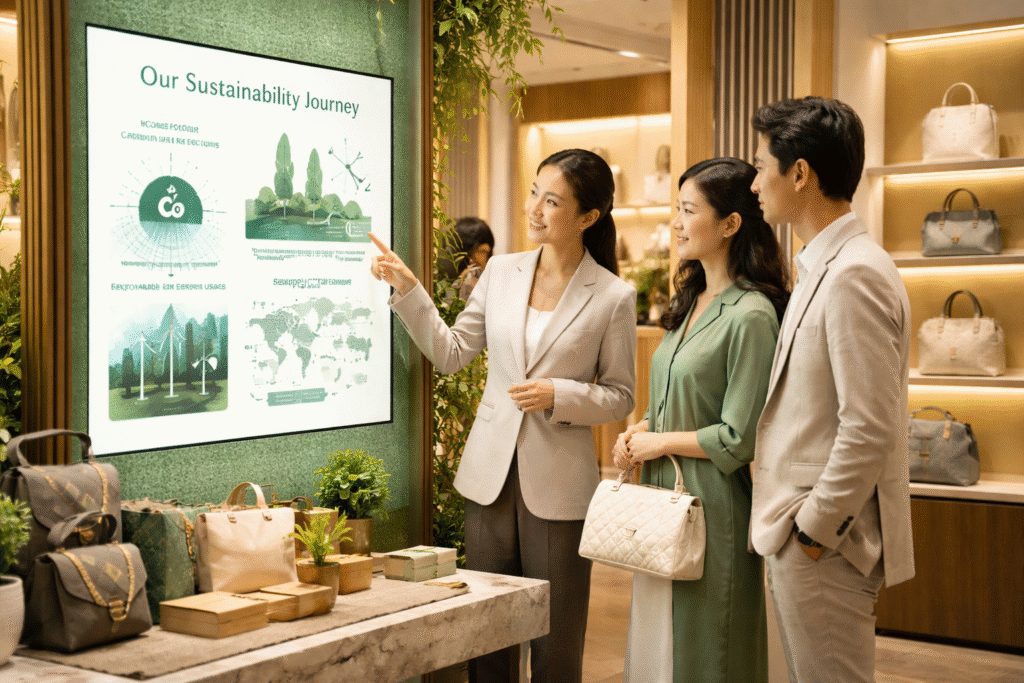
The Future Currency of Luxury
The days of simply showcasing a beautiful, sustainable collection are drawing to a close. Luxury brands are now tasked with communicating the sustainability of their entire ecosystem.
Kering’s move in the Chinese retail landscape is a clear indicator for 2026: The ultimate luxury is the confidence that comes from a demonstrably responsible brand environment. This kind of comprehensive, measurable commitment is what will ultimately convert the discerning, value-conscious consumer of tomorrow.
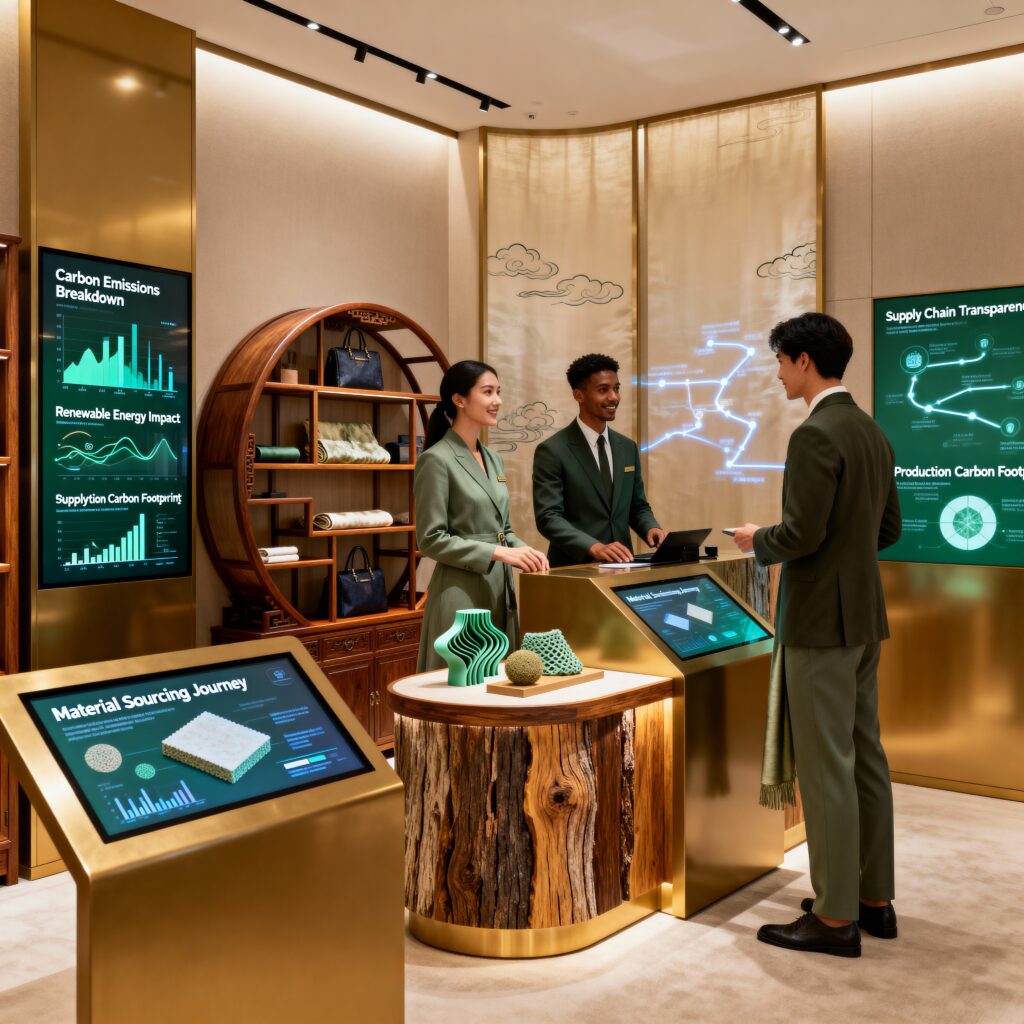
As a Global Branding and Fashion Communication Specialist, and having closely studied the Kering Group’s systems and strategy during my Master’s degree, I find this integrated, systems-based approach truly compelling.
My personal observation, backed by the continuous improvements and ongoing projects I’m seeing this week, leads me to a clear conclusion: The year 2026 will see the accredited ‘green showroom’ become the real priority. The consumer’s demand for verified operational ethics has now reached a point of parity with product aesthetics. The two are no longer separate conversations—they are one definition of modern luxury.
Next week, I’ll be stepping off the strategic overview to share an insider’s point of view on how to effectively communicate these complex sustainability commitments in your own creative projects.