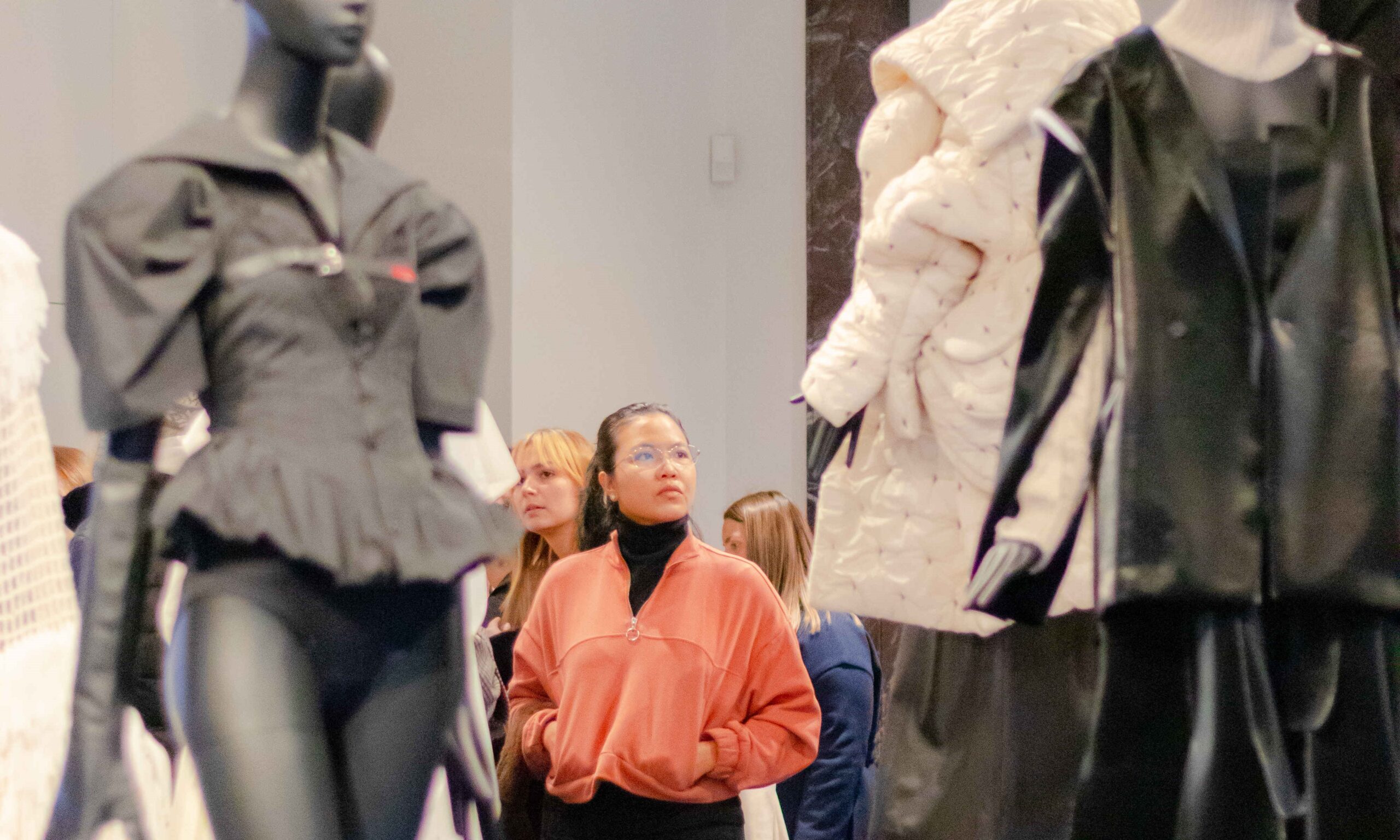

Milan Design Week is always a place of discovery.
Every year, I find myself walking through countless exhibitions, installations, and creative spaces, searching for the ideas, materials, and stories that define the future of design. Among the many presentations I visited during Milan Design Week 2026, one exhibition that particularly caught my attention was Slow Hand Design 2026: Heritage Reimagined – The Futuristic Thai Crafts Evolution at Superstudio Più.
Presented by Thailand’s Department of International Trade Promotion (DITP), the exhibition explored how traditional craftsmanship can evolve through sustainability, material innovation, and contemporary design thinking.
What immediately drew me into the space was its immersive atmosphere. Warm terracotta tones, sculptural installations, and carefully curated displays created a dialogue between heritage and innovation. Rather than presenting craftsmanship as something static or nostalgic, the exhibition invited visitors to consider how traditional knowledge can contribute to future design solutions.
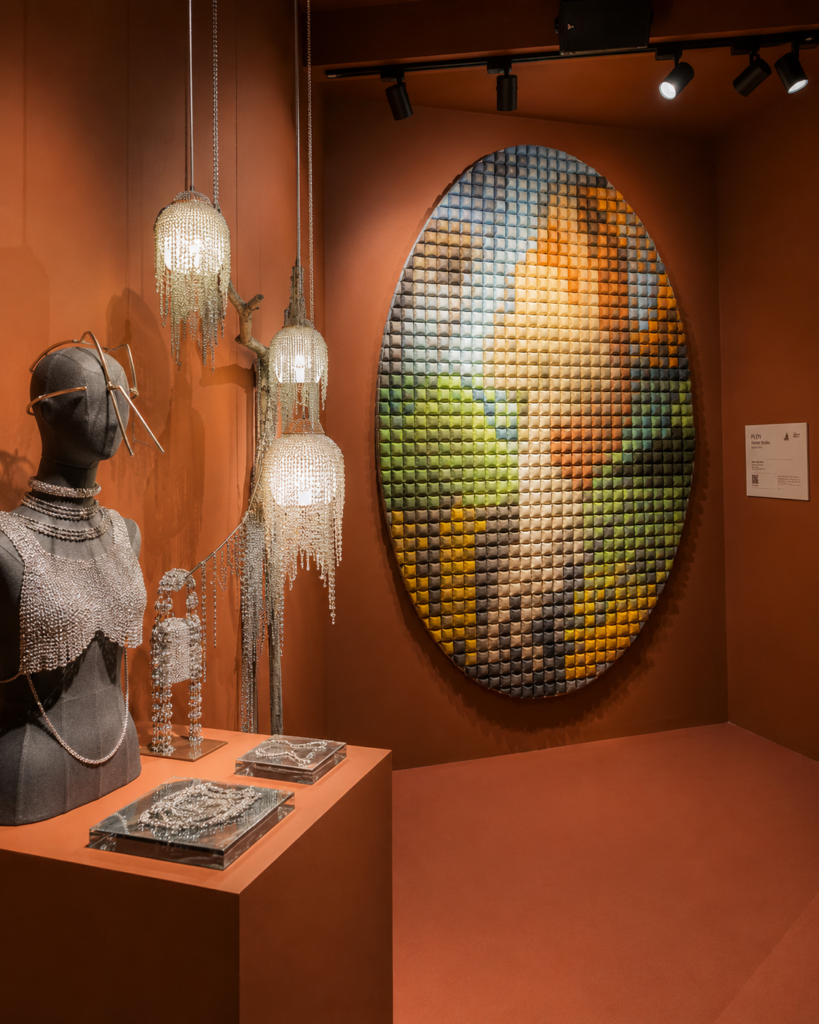
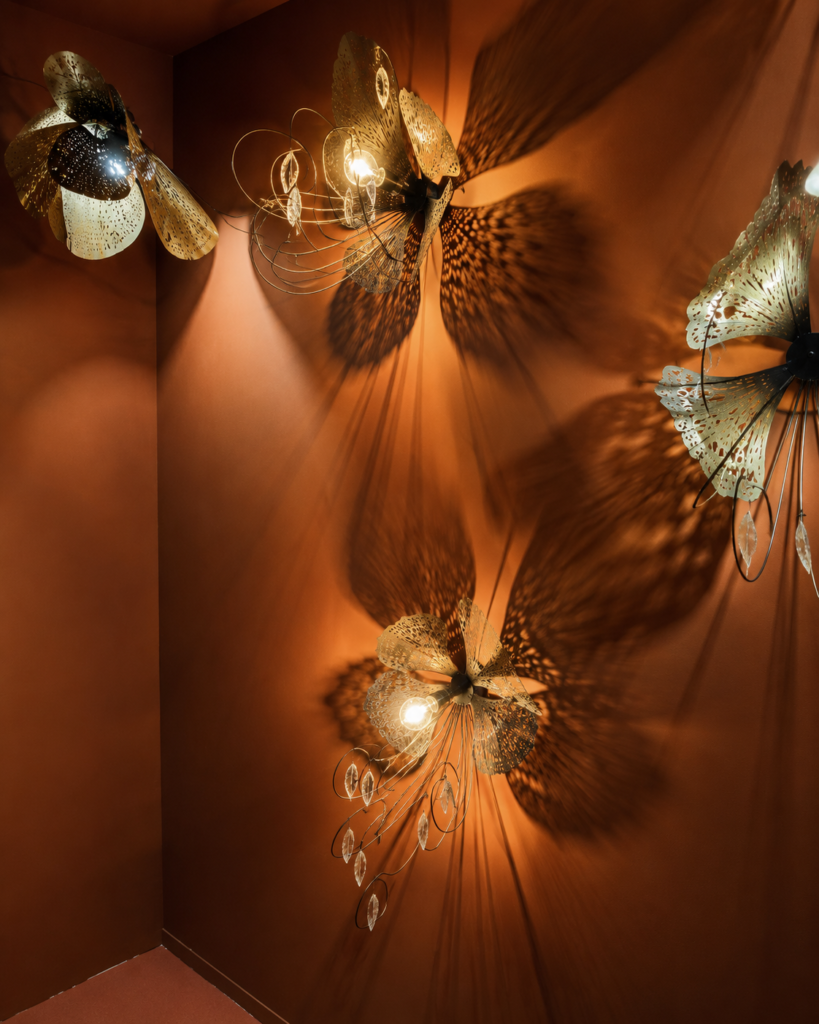
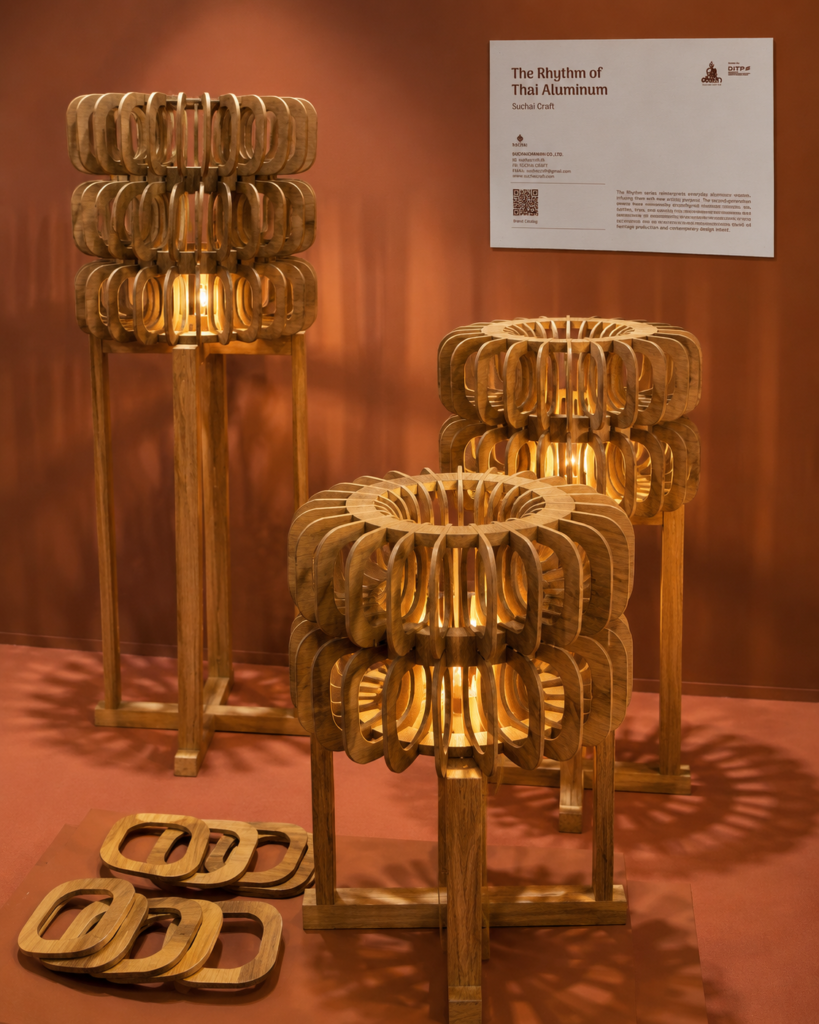

As I moved through the exhibition, I discovered projects that reflected a wide range of creative disciplines. Sustainable materials made from recycled resources and agricultural waste were transformed into contemporary surfaces and design objects. Bio-based innovations explored new possibilities for fashion and accessories, while handcrafted lighting, furniture, and textile pieces demonstrated the continued relevance of artisanal techniques in today’s design landscape.
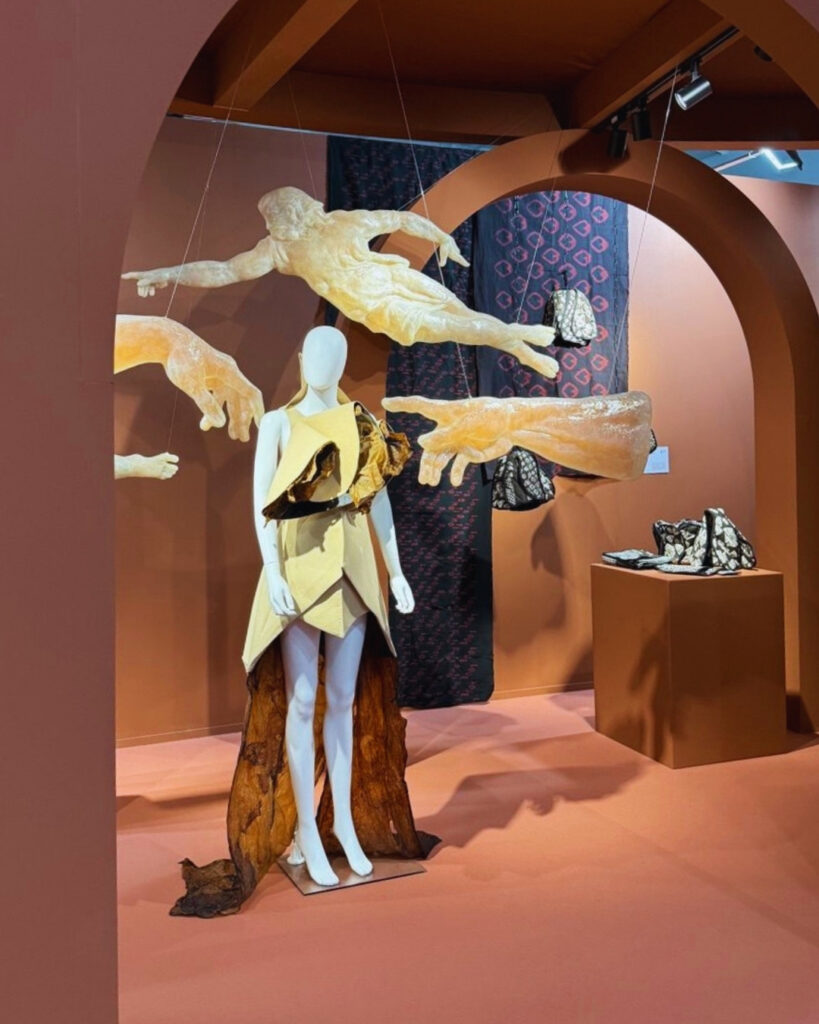
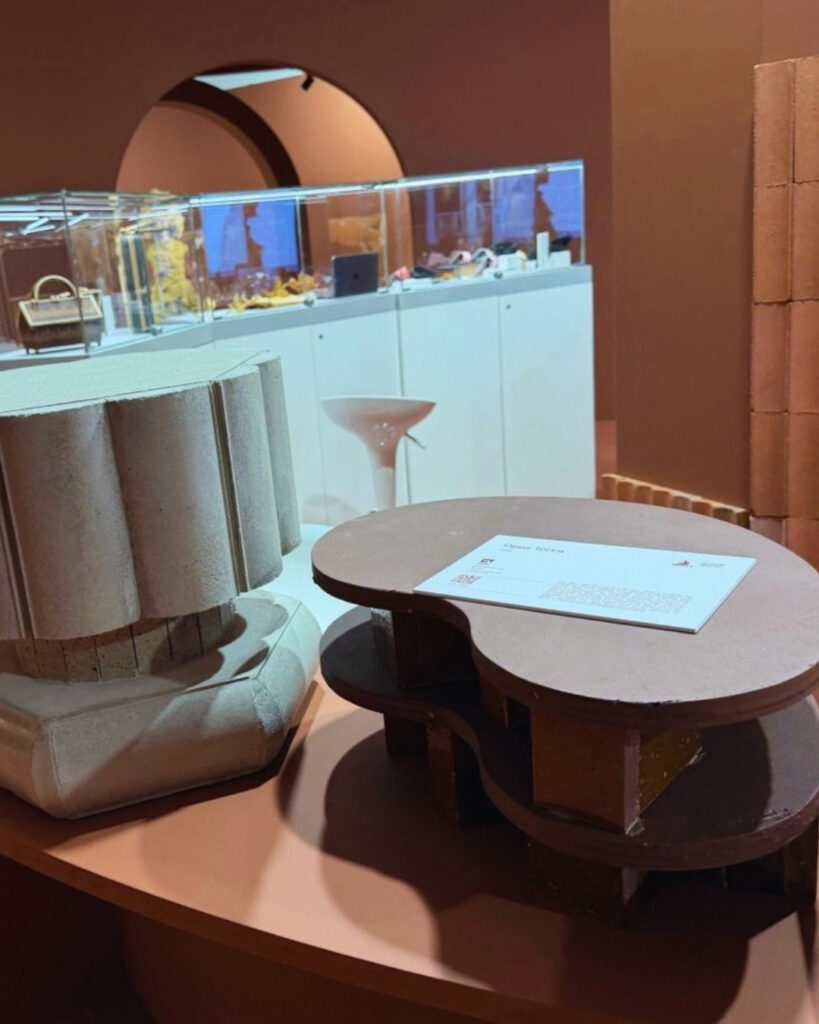
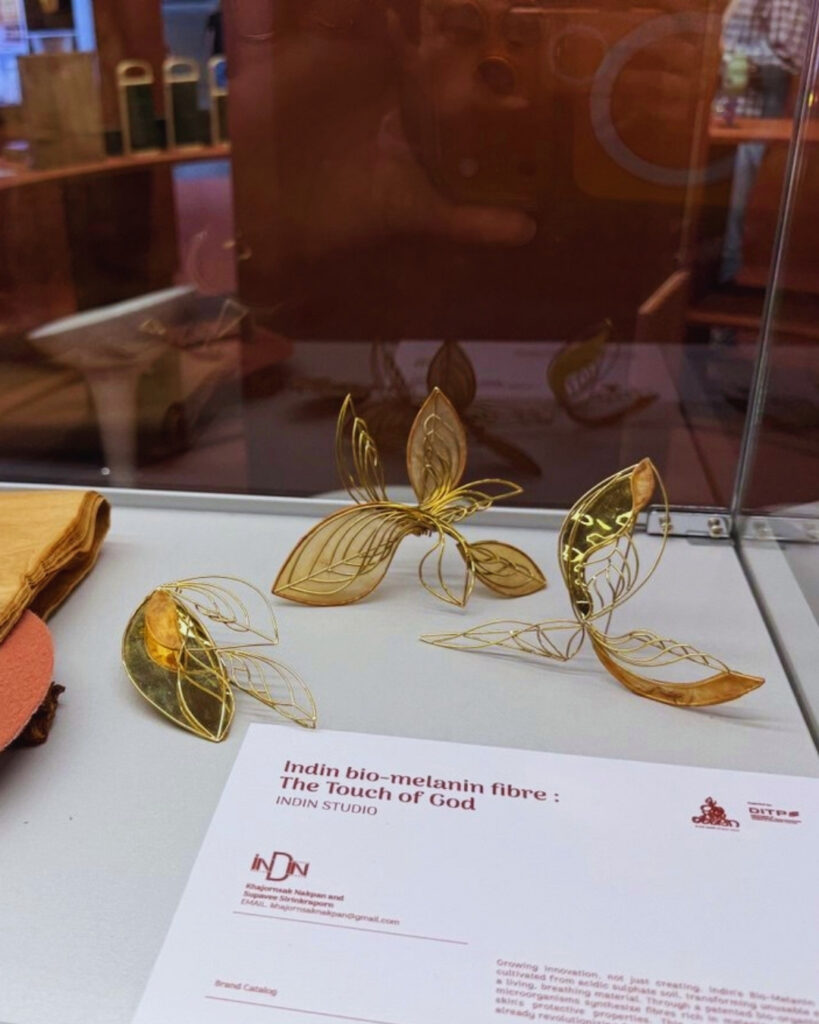
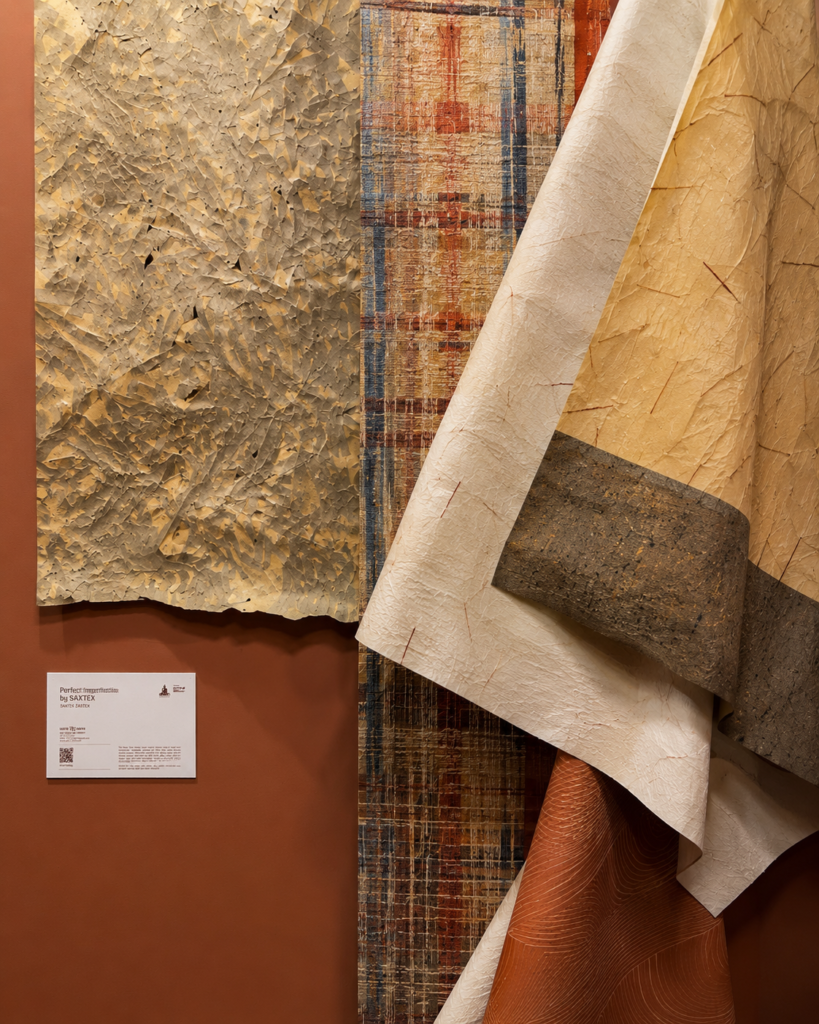
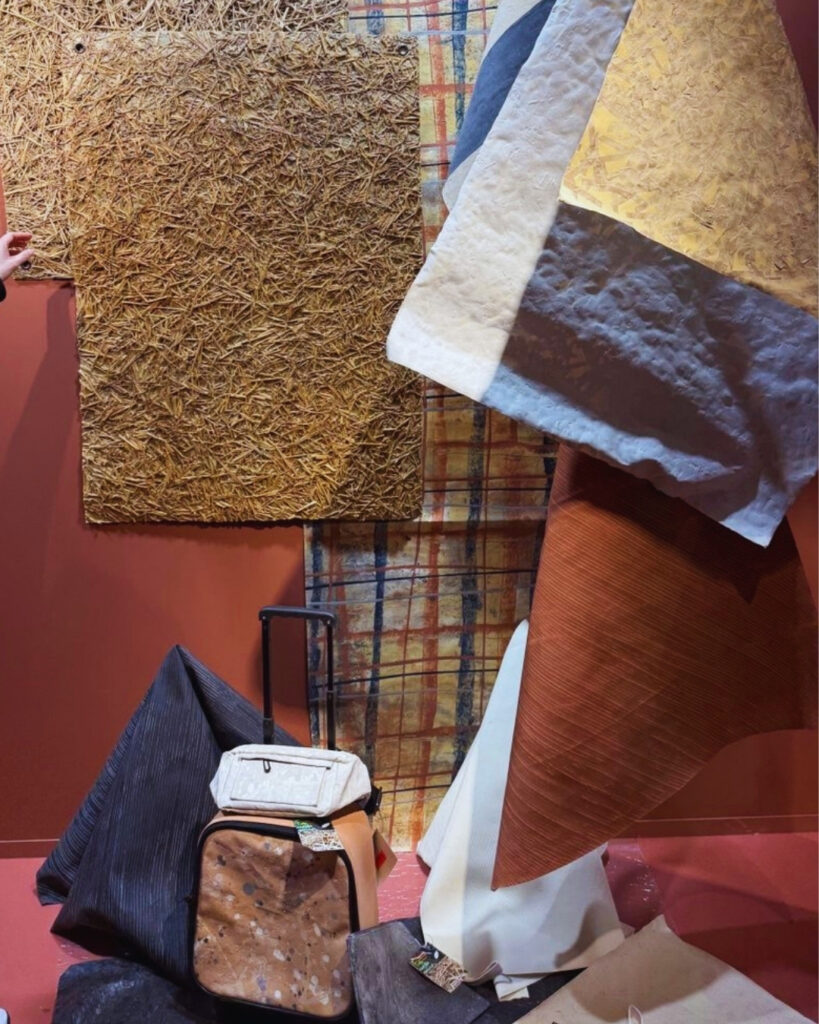
One of the aspects I appreciated most was the exhibition’s ability to connect culture with innovation. The projects maintained a strong sense of Thai identity while speaking a contemporary design language that could resonate with an international audience. It was a reminder that cultural heritage can be both preserved and reimagined through creative experimentation.
The exhibition also highlighted an important shift taking place across the design industry. Sustainability is no longer simply an added value—it is becoming an essential part of the design process. From circular material systems to responsible production methods, many of the works demonstrated how environmental awareness and creativity can work together.
Among the many projects on display, one discovery particularly captured my attention: a leather-like bio-material inspired by soil ecosystems. Its texture, appearance, and innovative approach challenged conventional ideas of sustainable materials and offered a glimpse into how future design solutions may emerge from nature itself. It was one of the most memorable moments of my visit and a reminder that some of the most exciting innovations often come from unexpected places.
As someone working across fashion, communication, and creative education, I found the exhibition particularly inspiring because it reflected the growing intersection between craft, technology, culture, and innovation. It showed how design can act as a bridge between tradition and future possibilities.
Leaving the exhibition, I was reminded that some of the most interesting conversations at Milan Design Week are not always about the newest technology or the most spectacular installations. Sometimes they emerge from a thoughtful reinterpretation of heritage, craftsmanship, and material research.
Slow Hand Design 2026 offered exactly that perspective.
If this exhibition represents a glimpse into the future of Thai design, I am excited to see how these ideas continue to evolve and what new collaborations, materials, and creative opportunities may emerge at future editions of Milan Design Week. The journey of discovery continues, and I look forward to seeing where it leads next..